


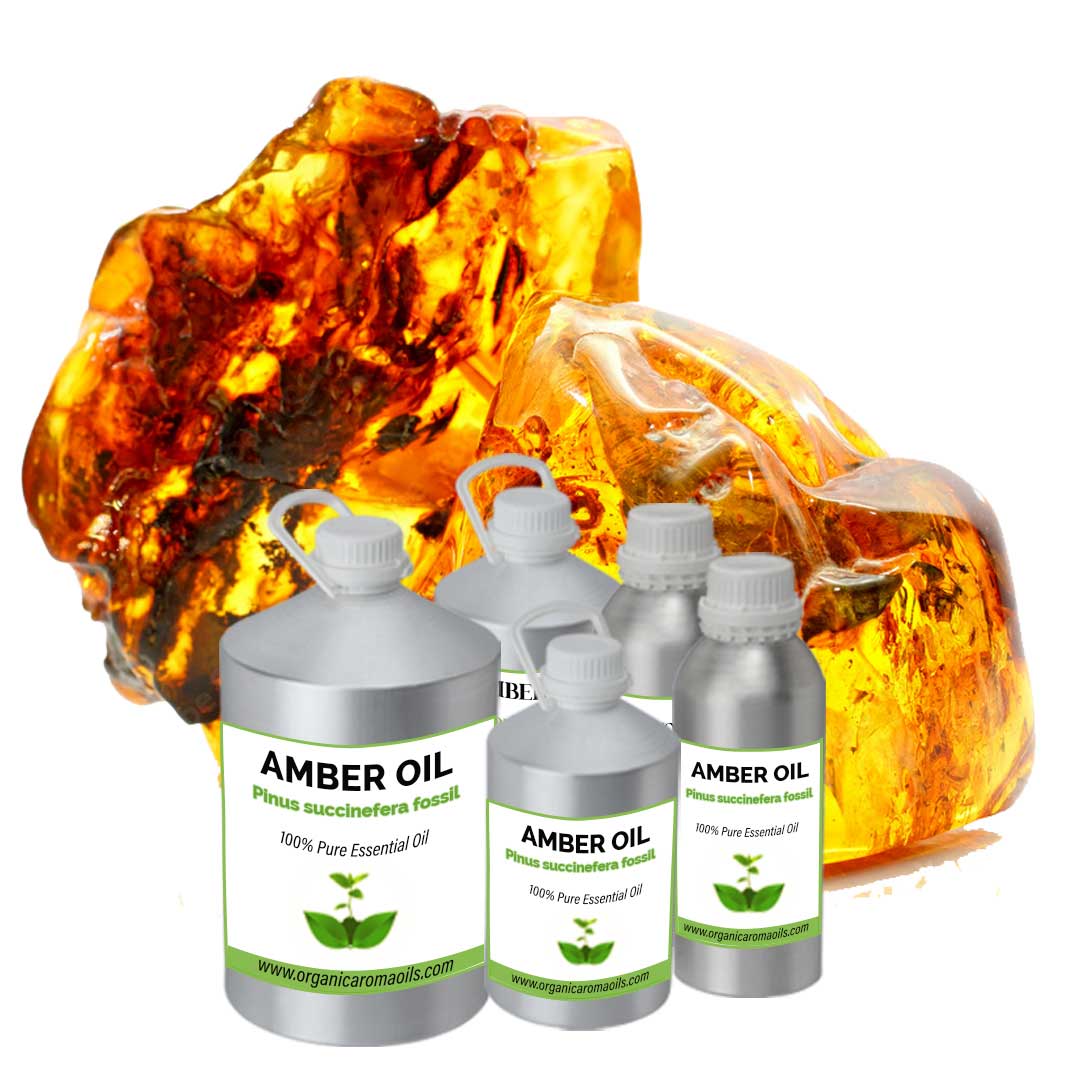
Buy Amber Oil Online
Buy Amber Oil Online
Botanical Name : Pinus succinefera fossil
 375
375
Have a question regarding to buy Buy Amber Oil Online ?

CRUELTY FREE

PARABEN FREE

PESTICIDE FREE

SULPHATE FREE

100% PURE

VEGAN FRIENDLY

FAST DELIVERY

CUSTOMER SUPPORT 24*7
Payment Method:


Certification:





Buy 100% pure Amber Oil online, sourced from genuine fossilized pine resin and processed through traditional dry distillation. Amber Oil is one of the most sought after base notes in natural perfumery, prized for its smoky, resinous, leathery character and its long lasting fixative strength. Whether you need a small sample bottle for a personal blend or bulk quantities for commercial production, Amber Oil is available in multiple pack sizes to suit hobbyists, formulators, and manufacturers alike.
Order online with worldwide shipping, transparent specifications, and pricing built for both retail and wholesale buyers.
Amber Oil Botanical Information, Overview & Extraction Method
What Is Amber Oil
Amber Oil, also called Amber Essential Oil or Amber Resin Oil, comes from Pinus succinifera, a prehistoric conifer whose resin fossilized over millions of years to form what we know today as amber. Unlike oils extracted from fresh leaves, flowers, or bark, Amber Oil is derived entirely from this hardened, ancient resin. The result is a rich base note oil that has been valued in perfumery and incense making for centuries.
Botanical & Scientific Details
-
Botanical name: Pinus succinifera
-
Common names: Amber Oil, Amber Essential Oil, Amber Resin Oil, Fossilized Amber Oil
-
Plant part used: Fossilized tree resin (retinite)
-
Note classification: Base note, excellent fixative
-
Origin: Primarily sourced from the Himalayan region of India, with Baltic amber regarded as a historically prized alternative
Extraction Method
Amber Oil is obtained through dry distillation (also called destructive distillation), a heat based process rather than the steam distillation used for most essential oils. Fragments of fossilized resin are heated in the absence of oxygen until they release a dark, viscous oil. This method preserves many of the terpenic hydrocarbons that were originally present in the ancient pine resin, giving the oil an aromatic character that steam distillation could never reproduce from a fossilized material.
Specifications
|
Specification |
Detail |
|
Botanical name |
Pinus succinifera |
|
Extraction method |
Dry distillation |
|
Part used |
Fossilized resin |
|
Color |
Dark brown |
|
Consistency |
Viscous |
|
Note type |
Base note |
|
Solubility |
Soluble in oils and most solvents, insoluble in water |
|
Available sizes |
Sample, 50 ml, 100 ml, 250 ml, 500 ml, 1 kg, up to bulk 25 kg |
Aroma, Appearance & Characteristics
Amber Oil is a dark brown, thick, viscous liquid with a scent profile that is nothing like the sweet vanilla amber fragrances sold under the same name. Its true aroma is smoky, resinous, leathery, and woody, with warm balsamic undertones and, in some batches, a faint citrus or pine nuance in the background. It has exceptional tenacity, meaning a very small amount lingers for hours, which is why it is used sparingly and almost always in blends rather than on its own.
Because the oil is so concentrated and dark in color, it can stain fabric, wood, and light colored surfaces, so it should be handled with care during use and storage.
Key Natural Constituents
The dry distillation process retains a share of the terpenic hydrocarbons and resin acids that were locked inside the fossilized amber. The main natural constituents commonly associated with Amber Oil include:
-
Succinic acid (also called amber acid), a compound naturally present in fossilized amber resin
-
Terpenic hydrocarbons carried over from the original pine resin
-
Resin acids and diterpenoid compounds that contribute to its smoky, resinous depth
Because Amber Oil comes from a fossil material rather than a cultivated plant, its constituent profile can vary slightly between batches depending on the age and source of the resin used.
Key Benefits, Uses & Applications
Amber Oil is valued mainly for its aromatic and fixative properties rather than for medicinal claims, and it plays a distinct role across several creative and commercial applications.
Perfumery and natural fragrance: Amber Oil is one of the most respected base notes in natural perfumery. Even in trace amounts, it slows down the evaporation of lighter top and heart notes, helping a fragrance last longer on the skin or in a diffuser blend.
Incense and ritual use: Amber has been burned as incense for centuries across the Middle East, Asia, and Europe, and the oil carries that same smoky, resinous heritage into modern incense sticks, cones, and resin blends.
Aromatherapy blending: Used in very small proportions, Amber Oil adds warmth and grounding depth to diffuser blends, often paired with lighter florals or citrus oils to balance its intensity.
Soap and candle making: Its strong tenacity and unusual smoky profile make Amber Oil a popular choice for artisan soap makers and candle manufacturers looking for a distinctive, non-floral signature scent.
Skin care formulations: Some cosmetic formulators use highly diluted Amber Oil as a minor note in creams, balms, and body oils, though its strong color and odor mean it is almost never used at more than a very small percentage.
Amber Oil is intended for aromatic and cosmetic formulation purposes. It is not intended to diagnose, treat, cure, or prevent any medical condition.
Industries We Serve
Amber Oil is supplied to a wide range of businesses that rely on consistent, genuine raw materials for their production lines.
-
Perfumery and fine fragrance houses
-
Incense and agarbatti manufacturers
-
Soap and candle making businesses
-
Aromatherapy and wellness brands
-
Cosmetic and personal care formulators
-
Spa and holistic therapy centers
If your business works with natural aromatic raw materials in any of these categories, Amber Oil can be supplied in a size and format that fits your production volume.
How to Use Amber Oil
Amber Oil is highly concentrated, so it should always be used in small amounts and combined with other ingredients rather than applied neat.
For perfumery and blending: Add Amber Oil drop by drop as a base note, usually starting at less than 1 percent of the total formula, and build up gradually until the desired depth is reached.
For diffusers: Combine one or two drops of Amber Oil with a lighter oil such as bergamot, lavender, or sweet orange, since using it alone can overpower a room quickly.
For soap, candle, and incense making: Blend Amber Oil into your fragrance base at the concentration recommended by your formulation guidelines, keeping in mind its strong tenacity and dark color.
For topical or skincare use: Dilute thoroughly in a suitable carrier oil and perform a patch test on a small area of skin before wider use.
Amber Oil Blends Well With
Amber Oil is a natural fixative, so it pairs beautifully with other resinous, woody, and floral oils that benefit from added depth and staying power. It blends particularly well with sandalwood, patchouli, vetiver, frankincense, myrrh, benzoin, labdanum, cedarwood, agarwood (oud), rose, and jasmine. Softer floral or citrus notes help balance Amber Oil's smoky intensity, while other resins and woods amplify its warmth.
Amber Oil Buying Guide
Before placing an order, it helps to think through a few practical points so the oil you receive matches your intended use.
Decide your quantity first. A sample or 50 ml bottle is enough to test the aroma and confirm it suits your formulation before committing to a larger order. Once confirmed, businesses typically move to 1 kg, 5 kg, or bulk sizes up to 25 kg for ongoing production.
Check whether you need pure or diluted oil. Undiluted Amber Oil is extremely concentrated and best suited for experienced formulators, while a pre-diluted version can be easier to work with for smaller batches.
Confirm the source. Genuine Amber Oil comes from dry distilled fossilized resin, most commonly sourced from the Himalayan region of India. Ask your supplier to confirm the botanical name and extraction method before buying.
Ask about documentation. For commercial or cosmetic use, request available product specifications or a Certificate of Analysis so you know exactly what you are formulating with.
Compare pricing across sizes. Wholesale and bulk pricing generally offers a significantly lower per unit cost, so it is worth reviewing the full size chart if you expect to reorder regularly.
How to Choose High-Quality Amber Oil
Not every product labeled "amber oil" on the market is genuine fossilized resin oil. A large share of what is sold as amber fragrance is actually a synthetic or resin blend designed to mimic a sweet, vanilla like amber scent, which is a completely different product from true Pinus succinifera oil.
To choose a genuine, high quality Amber Oil, look for these indicators:
-
Accurate botanical naming. The listing should clearly state Pinus succinifera and describe dry distillation as the extraction method.
-
Authentic aroma profile. True Amber Oil smells smoky, resinous, and leathery, not sweet or floral. If a product marketed as amber essential oil smells like vanilla or sweet musk, it is very likely a fragrance blend rather than genuine fossil resin oil.
-
Consistent color and viscosity. Genuine Amber Oil is a dark brown, thick liquid. Unusually thin or unusually light colored products may be diluted or blended without disclosure.
-
Transparent sourcing and manufacturing. A trustworthy supplier should be able to explain where the resin is sourced and how the oil is processed.
-
Available documentation. Reputable suppliers can usually provide specifications or a Certificate of Analysis on request for larger or commercial orders.
Safety, Precautions & Storage
Amber Oil is intended for external and aromatic use only, and standard essential oil safety practices apply.
-
Always dilute before applying to the skin and perform a patch test first.
-
Avoid contact with eyes and mucous membranes.
-
Keep out of reach of children and pets.
-
Not for internal consumption.
-
If pregnant, nursing, or under medical care, consult a physician before use.
-
Amber Oil is combustible, so keep it away from open flame and excessive heat.
-
Store in a tightly sealed, dark glass container in a cool, dry place away from direct sunlight to preserve its aroma and consistency over time.
Why Choose Organic Aroma Oils for Amber Oil
Sourcing genuine fossilized Amber Oil requires a supplier who understands both the raw material and the industries that depend on it. We supply Amber Oil that is processed through authentic dry distillation, so formulators, perfumers, and manufacturers receive a consistent, honestly labeled product batch after batch. From single sample bottles for testing a new blend to multi kilogram orders for full scale production, we support customers at every stage of their sourcing journey, backed by responsive support and reliable worldwide delivery.
Quality Assurance
Every batch of Amber Oil goes through a structured quality process before it reaches a customer.
Raw material sourcing: Fossilized resin is carefully selected to help ensure consistency between batches.
Controlled distillation: The dry distillation process is monitored to preserve the natural aromatic character of the resin.
Quality checks: Batches are inspected for color, viscosity, and aroma consistency before packaging.
Secure packaging: Amber Oil is packed in appropriate containers designed to protect it from light and air exposure during storage and transit.
Documentation such as available specifications or a Certificate of Analysis can be provided on request for qualifying orders.
Amber Oil Retail, Wholesale & Bulk Supply
Amber Oil is available in a full range of sizes to suit different types of buyers. Individual customers and small studios can start with a sample or 50 ml to 250 ml bottle, while soap makers, candle brands, and perfumers with steady production needs can order 1 kg or 5 kg quantities. Larger manufacturers and distributors sourcing at scale can order in bulk up to 25 kg, with pricing that scales down per unit as order volume increases. This tiered approach means a hobbyist and a full scale manufacturer can both order from the same trusted source, at a size and price point that fits their actual usage.
Private Label, White Label & OEM Services
For brands that want to sell Amber Oil, amber based blends, or amber scented finished products under their own name, private label and white label options are available for qualifying wholesale orders. This includes custom packaging and labeling support so the product on the shelf matches your brand identity, not ours. If you are building a perfume line, incense range, or wellness product collection around Amber Oil, reach out with your requirements and volume, and a suitable packaging and supply arrangement can be worked out.
Global Export & Worldwide Shipping
Amber Oil is shipped internationally to customers across North America, Europe, the Middle East, Asia Pacific, and beyond, including the United States, Canada, the United Kingdom, Germany, France, Italy, Spain, Australia, New Zealand, Japan, South Korea, the United Arab Emirates, Saudi Arabia, Qatar, Kuwait, and South Africa. Orders are carefully packaged to withstand international transit and are dispatched through established global shipping partners, whether you are ordering a single retail bottle or a bulk commercial shipment.
Amber Oil: Globally Known As
Because amber has been traded and treasured across cultures for thousands of years, it goes by many names around the world. Depending on where you are shopping from, you may see this product listed as:
-
Ambre (French)
-
Bernstein (German)
-
Ámbar (Spanish)
-
Ambra (Italian)
-
Âmbar (Portuguese)
-
Янтарь / Yantar (Russian)
-
Bursztyn (Polish)
-
Barnsteen (Dutch)
-
Bärnsten (Swedish)
-
Rav (Danish)
-
Kehribar (Turkish)
-
Anbar or Kahraba (Arabic, depending on the region)
-
琥珀 / Hǔpò (Chinese)
-
琥珀 / Kohaku (Japanese)
-
호박 / Hobak (Korean)
Regardless of the local name, all of these terms trace back to the same source material: fossilized tree resin, and in the context of this product, the oil derived from it through dry distillation.
Order Amber Oil Today
Whether you need a single sample to test in your next blend or bulk kilograms for full scale production, genuine dry distilled Amber Oil is ready to ship worldwide. Choose your size from the options above, or get in touch with our team for wholesale pricing, private label options, and bulk export orders.
[Shop Amber Oil Now] | [Request Wholesale Pricing] | [Contact Our Team]
Frequently Asked Questions
What is Amber Oil made from?
Amber Oil is made from Pinus succinifera, a fossilized pine resin, processed through dry distillation rather than the steam distillation used for most essential oils.
Does Amber Oil smell sweet like vanilla?
No. Genuine Amber Oil has a smoky, resinous, leathery aroma. The sweet, vanilla like "amber" scent found in many commercial fragrances is typically a blend of other ingredients such as benzoin, labdanum, and vanilla, not true fossilized amber oil.
Is Amber Oil the same as amber essential oil sold for aromatherapy?
Yes, when the listing correctly states Pinus succinifera and dry distillation as the extraction method, Amber Oil and Amber Essential Oil refer to the same product.
Can Amber Oil be applied directly to the skin?
It should always be diluted in a suitable carrier oil before topical use, and a patch test is recommended first, since the oil is highly concentrated.
Why is Amber Oil more expensive than some other base notes?
Amber Oil comes from a fossilized resin that takes millions of years to form and requires a specialized dry distillation process, which affects its availability and cost compared with oils sourced from cultivated plants.
What is the best way to store Amber Oil?
Store it in a tightly sealed, dark glass container in a cool, dry place away from direct sunlight and heat to preserve its aroma and consistency.
Can I buy Amber Oil in bulk for my business?
Yes, Amber Oil is available in wholesale and bulk quantities up to 25 kg, with pricing that improves as order volume increases.
Do you offer private label Amber Oil?
Yes, private label and custom packaging options are available for qualifying wholesale orders.
Do you ship Amber Oil internationally?
Yes, orders are shipped worldwide, including to the United States, Canada, the United Kingdom, and countries across Europe, the Middle East, and Asia Pacific.
What can Amber Oil be blended with?
Amber Oil blends well with sandalwood, patchouli, vetiver, frankincense, myrrh, benzoin, labdanum, cedarwood, agarwood, rose, and jasmine.
Buy 100% pure Amber Oil online, sourced from genuine fossilized pine resin and processed through traditional dry distillation. Amber Oil is one of the most sought after base notes in natural perfumery, prized for its smoky, resinous, leathery character and its long lasting fixative strength. Whether you need a small sample bottle for a personal blend or bulk quantities for commercial production, Amber Oil is available in multiple pack sizes to suit hobbyists, formulators, and manufacturers alike.
Order online with worldwide shipping, transparent specifications, and pricing built for both retail and wholesale buyers.
Amber Oil Botanical Information, Overview & Extraction Method
What Is Amber Oil
Amber Oil, also called Amber Essential Oil or Amber Resin Oil, comes from Pinus succinifera, a prehistoric conifer whose resin fossilized over millions of years to form what we know today as amber. Unlike oils extracted from fresh leaves, flowers, or bark, Amber Oil is derived entirely from this hardened, ancient resin. The result is a rich base note oil that has been valued in perfumery and incense making for centuries.
Botanical & Scientific Details
-
Botanical name: Pinus succinifera
-
Common names: Amber Oil, Amber Essential Oil, Amber Resin Oil, Fossilized Amber Oil
-
Plant part used: Fossilized tree resin (retinite)
-
Note classification: Base note, excellent fixative
-
Origin: Primarily sourced from the Himalayan region of India, with Baltic amber regarded as a historically prized alternative
Extraction Method
Amber Oil is obtained through dry distillation (also called destructive distillation), a heat based process rather than the steam distillation used for most essential oils. Fragments of fossilized resin are heated in the absence of oxygen until they release a dark, viscous oil. This method preserves many of the terpenic hydrocarbons that were originally present in the ancient pine resin, giving the oil an aromatic character that steam distillation could never reproduce from a fossilized material.
Specifications
|
Specification |
Detail |
|
Botanical name |
Pinus succinifera |
|
Extraction method |
Dry distillation |
|
Part used |
Fossilized resin |
|
Color |
Dark brown |
|
Consistency |
Viscous |
|
Note type |
Base note |
|
Solubility |
Soluble in oils and most solvents, insoluble in water |
|
Available sizes |
Sample, 50 ml, 100 ml, 250 ml, 500 ml, 1 kg, up to bulk 25 kg |
Aroma, Appearance & Characteristics
Amber Oil is a dark brown, thick, viscous liquid with a scent profile that is nothing like the sweet vanilla amber fragrances sold under the same name. Its true aroma is smoky, resinous, leathery, and woody, with warm balsamic undertones and, in some batches, a faint citrus or pine nuance in the background. It has exceptional tenacity, meaning a very small amount lingers for hours, which is why it is used sparingly and almost always in blends rather than on its own.
Because the oil is so concentrated and dark in color, it can stain fabric, wood, and light colored surfaces, so it should be handled with care during use and storage.
Key Natural Constituents
The dry distillation process retains a share of the terpenic hydrocarbons and resin acids that were locked inside the fossilized amber. The main natural constituents commonly associated with Amber Oil include:
-
Succinic acid (also called amber acid), a compound naturally present in fossilized amber resin
-
Terpenic hydrocarbons carried over from the original pine resin
-
Resin acids and diterpenoid compounds that contribute to its smoky, resinous depth
Because Amber Oil comes from a fossil material rather than a cultivated plant, its constituent profile can vary slightly between batches depending on the age and source of the resin used.
Key Benefits, Uses & Applications
Amber Oil is valued mainly for its aromatic and fixative properties rather than for medicinal claims, and it plays a distinct role across several creative and commercial applications.
Perfumery and natural fragrance: Amber Oil is one of the most respected base notes in natural perfumery. Even in trace amounts, it slows down the evaporation of lighter top and heart notes, helping a fragrance last longer on the skin or in a diffuser blend.
Incense and ritual use: Amber has been burned as incense for centuries across the Middle East, Asia, and Europe, and the oil carries that same smoky, resinous heritage into modern incense sticks, cones, and resin blends.
Aromatherapy blending: Used in very small proportions, Amber Oil adds warmth and grounding depth to diffuser blends, often paired with lighter florals or citrus oils to balance its intensity.
Soap and candle making: Its strong tenacity and unusual smoky profile make Amber Oil a popular choice for artisan soap makers and candle manufacturers looking for a distinctive, non-floral signature scent.
Skin care formulations: Some cosmetic formulators use highly diluted Amber Oil as a minor note in creams, balms, and body oils, though its strong color and odor mean it is almost never used at more than a very small percentage.
Amber Oil is intended for aromatic and cosmetic formulation purposes. It is not intended to diagnose, treat, cure, or prevent any medical condition.
Industries We Serve
Amber Oil is supplied to a wide range of businesses that rely on consistent, genuine raw materials for their production lines.
-
Perfumery and fine fragrance houses
-
Incense and agarbatti manufacturers
-
Soap and candle making businesses
-
Aromatherapy and wellness brands
-
Cosmetic and personal care formulators
-
Spa and holistic therapy centers
If your business works with natural aromatic raw materials in any of these categories, Amber Oil can be supplied in a size and format that fits your production volume.
How to Use Amber Oil
Amber Oil is highly concentrated, so it should always be used in small amounts and combined with other ingredients rather than applied neat.
For perfumery and blending: Add Amber Oil drop by drop as a base note, usually starting at less than 1 percent of the total formula, and build up gradually until the desired depth is reached.
For diffusers: Combine one or two drops of Amber Oil with a lighter oil such as bergamot, lavender, or sweet orange, since using it alone can overpower a room quickly.
For soap, candle, and incense making: Blend Amber Oil into your fragrance base at the concentration recommended by your formulation guidelines, keeping in mind its strong tenacity and dark color.
For topical or skincare use: Dilute thoroughly in a suitable carrier oil and perform a patch test on a small area of skin before wider use.
Amber Oil Blends Well With
Amber Oil is a natural fixative, so it pairs beautifully with other resinous, woody, and floral oils that benefit from added depth and staying power. It blends particularly well with sandalwood, patchouli, vetiver, frankincense, myrrh, benzoin, labdanum, cedarwood, agarwood (oud), rose, and jasmine. Softer floral or citrus notes help balance Amber Oil's smoky intensity, while other resins and woods amplify its warmth.
Amber Oil Buying Guide
Before placing an order, it helps to think through a few practical points so the oil you receive matches your intended use.
Decide your quantity first. A sample or 50 ml bottle is enough to test the aroma and confirm it suits your formulation before committing to a larger order. Once confirmed, businesses typically move to 1 kg, 5 kg, or bulk sizes up to 25 kg for ongoing production.
Check whether you need pure or diluted oil. Undiluted Amber Oil is extremely concentrated and best suited for experienced formulators, while a pre-diluted version can be easier to work with for smaller batches.
Confirm the source. Genuine Amber Oil comes from dry distilled fossilized resin, most commonly sourced from the Himalayan region of India. Ask your supplier to confirm the botanical name and extraction method before buying.
Ask about documentation. For commercial or cosmetic use, request available product specifications or a Certificate of Analysis so you know exactly what you are formulating with.
Compare pricing across sizes. Wholesale and bulk pricing generally offers a significantly lower per unit cost, so it is worth reviewing the full size chart if you expect to reorder regularly.
How to Choose High-Quality Amber Oil
Not every product labeled "amber oil" on the market is genuine fossilized resin oil. A large share of what is sold as amber fragrance is actually a synthetic or resin blend designed to mimic a sweet, vanilla like amber scent, which is a completely different product from true Pinus succinifera oil.
To choose a genuine, high quality Amber Oil, look for these indicators:
-
Accurate botanical naming. The listing should clearly state Pinus succinifera and describe dry distillation as the extraction method.
-
Authentic aroma profile. True Amber Oil smells smoky, resinous, and leathery, not sweet or floral. If a product marketed as amber essential oil smells like vanilla or sweet musk, it is very likely a fragrance blend rather than genuine fossil resin oil.
-
Consistent color and viscosity. Genuine Amber Oil is a dark brown, thick liquid. Unusually thin or unusually light colored products may be diluted or blended without disclosure.
-
Transparent sourcing and manufacturing. A trustworthy supplier should be able to explain where the resin is sourced and how the oil is processed.
-
Available documentation. Reputable suppliers can usually provide specifications or a Certificate of Analysis on request for larger or commercial orders.
Safety, Precautions & Storage
Amber Oil is intended for external and aromatic use only, and standard essential oil safety practices apply.
-
Always dilute before applying to the skin and perform a patch test first.
-
Avoid contact with eyes and mucous membranes.
-
Keep out of reach of children and pets.
-
Not for internal consumption.
-
If pregnant, nursing, or under medical care, consult a physician before use.
-
Amber Oil is combustible, so keep it away from open flame and excessive heat.
-
Store in a tightly sealed, dark glass container in a cool, dry place away from direct sunlight to preserve its aroma and consistency over time.
Why Choose Organic Aroma Oils for Amber Oil
Sourcing genuine fossilized Amber Oil requires a supplier who understands both the raw material and the industries that depend on it. We supply Amber Oil that is processed through authentic dry distillation, so formulators, perfumers, and manufacturers receive a consistent, honestly labeled product batch after batch. From single sample bottles for testing a new blend to multi kilogram orders for full scale production, we support customers at every stage of their sourcing journey, backed by responsive support and reliable worldwide delivery.
Quality Assurance
Every batch of Amber Oil goes through a structured quality process before it reaches a customer.
Raw material sourcing: Fossilized resin is carefully selected to help ensure consistency between batches.
Controlled distillation: The dry distillation process is monitored to preserve the natural aromatic character of the resin.
Quality checks: Batches are inspected for color, viscosity, and aroma consistency before packaging.
Secure packaging: Amber Oil is packed in appropriate containers designed to protect it from light and air exposure during storage and transit.
Documentation such as available specifications or a Certificate of Analysis can be provided on request for qualifying orders.
Amber Oil Retail, Wholesale & Bulk Supply
Amber Oil is available in a full range of sizes to suit different types of buyers. Individual customers and small studios can start with a sample or 50 ml to 250 ml bottle, while soap makers, candle brands, and perfumers with steady production needs can order 1 kg or 5 kg quantities. Larger manufacturers and distributors sourcing at scale can order in bulk up to 25 kg, with pricing that scales down per unit as order volume increases. This tiered approach means a hobbyist and a full scale manufacturer can both order from the same trusted source, at a size and price point that fits their actual usage.
Private Label, White Label & OEM Services
For brands that want to sell Amber Oil, amber based blends, or amber scented finished products under their own name, private label and white label options are available for qualifying wholesale orders. This includes custom packaging and labeling support so the product on the shelf matches your brand identity, not ours. If you are building a perfume line, incense range, or wellness product collection around Amber Oil, reach out with your requirements and volume, and a suitable packaging and supply arrangement can be worked out.
Global Export & Worldwide Shipping
Amber Oil is shipped internationally to customers across North America, Europe, the Middle East, Asia Pacific, and beyond, including the United States, Canada, the United Kingdom, Germany, France, Italy, Spain, Australia, New Zealand, Japan, South Korea, the United Arab Emirates, Saudi Arabia, Qatar, Kuwait, and South Africa. Orders are carefully packaged to withstand international transit and are dispatched through established global shipping partners, whether you are ordering a single retail bottle or a bulk commercial shipment.
Amber Oil: Globally Known As
Because amber has been traded and treasured across cultures for thousands of years, it goes by many names around the world. Depending on where you are shopping from, you may see this product listed as:
-
Ambre (French)
-
Bernstein (German)
-
Ámbar (Spanish)
-
Ambra (Italian)
-
Âmbar (Portuguese)
-
Янтарь / Yantar (Russian)
-
Bursztyn (Polish)
-
Barnsteen (Dutch)
-
Bärnsten (Swedish)
-
Rav (Danish)
-
Kehribar (Turkish)
-
Anbar or Kahraba (Arabic, depending on the region)
-
琥珀 / Hǔpò (Chinese)
-
琥珀 / Kohaku (Japanese)
-
호박 / Hobak (Korean)
Regardless of the local name, all of these terms trace back to the same source material: fossilized tree resin, and in the context of this product, the oil derived from it through dry distillation.
Order Amber Oil Today
Whether you need a single sample to test in your next blend or bulk kilograms for full scale production, genuine dry distilled Amber Oil is ready to ship worldwide. Choose your size from the options above, or get in touch with our team for wholesale pricing, private label options, and bulk export orders.
[Shop Amber Oil Now] | [Request Wholesale Pricing] | [Contact Our Team]
Frequently Asked Questions
What is Amber Oil made from?
Amber Oil is made from Pinus succinifera, a fossilized pine resin, processed through dry distillation rather than the steam distillation used for most essential oils.
Does Amber Oil smell sweet like vanilla?
No. Genuine Amber Oil has a smoky, resinous, leathery aroma. The sweet, vanilla like "amber" scent found in many commercial fragrances is typically a blend of other ingredients such as benzoin, labdanum, and vanilla, not true fossilized amber oil.
Is Amber Oil the same as amber essential oil sold for aromatherapy?
Yes, when the listing correctly states Pinus succinifera and dry distillation as the extraction method, Amber Oil and Amber Essential Oil refer to the same product.
Can Amber Oil be applied directly to the skin?
It should always be diluted in a suitable carrier oil before topical use, and a patch test is recommended first, since the oil is highly concentrated.
Why is Amber Oil more expensive than some other base notes?
Amber Oil comes from a fossilized resin that takes millions of years to form and requires a specialized dry distillation process, which affects its availability and cost compared with oils sourced from cultivated plants.
What is the best way to store Amber Oil?
Store it in a tightly sealed, dark glass container in a cool, dry place away from direct sunlight and heat to preserve its aroma and consistency.
Can I buy Amber Oil in bulk for my business?
Yes, Amber Oil is available in wholesale and bulk quantities up to 25 kg, with pricing that improves as order volume increases.
Do you offer private label Amber Oil?
Yes, private label and custom packaging options are available for qualifying wholesale orders.
Do you ship Amber Oil internationally?
Yes, orders are shipped worldwide, including to the United States, Canada, the United Kingdom, and countries across Europe, the Middle East, and Asia Pacific.
What can Amber Oil be blended with?
Amber Oil blends well with sandalwood, patchouli, vetiver, frankincense, myrrh, benzoin, labdanum, cedarwood, agarwood, rose, and jasmine.
Buy 100% pure Amber Oil online, sourced from genuine fossilized pine resin and processed through traditional dry distillation. Amber Oil is one of the most sought after base notes in natural perfumery, prized for its smoky, resinous, leathery character and its long lasting fixative strength. Whether you need a small sample bottle for a personal blend or bulk quantities for commercial production, Amber Oil is available in multiple pack sizes to suit hobbyists, formulators, and manufacturers alike.
Order online with worldwide shipping, transparent specifications, and pricing built for both retail and wholesale buyers.
Amber Oil Botanical Information, Overview & Extraction Method
What Is Amber Oil
Amber Oil, also called Amber Essential Oil or Amber Resin Oil, comes from Pinus succinifera, a prehistoric conifer whose resin fossilized over millions of years to form what we know today as amber. Unlike oils extracted from fresh leaves, flowers, or bark, Amber Oil is derived entirely from this hardened, ancient resin. The result is a rich base note oil that has been valued in perfumery and incense making for centuries.
Botanical & Scientific Details
-
Botanical name: Pinus succinifera
-
Common names: Amber Oil, Amber Essential Oil, Amber Resin Oil, Fossilized Amber Oil
-
Plant part used: Fossilized tree resin (retinite)
-
Note classification: Base note, excellent fixative
-
Origin: Primarily sourced from the Himalayan region of India, with Baltic amber regarded as a historically prized alternative
Extraction Method
Amber Oil is obtained through dry distillation (also called destructive distillation), a heat based process rather than the steam distillation used for most essential oils. Fragments of fossilized resin are heated in the absence of oxygen until they release a dark, viscous oil. This method preserves many of the terpenic hydrocarbons that were originally present in the ancient pine resin, giving the oil an aromatic character that steam distillation could never reproduce from a fossilized material.
Specifications
|
Specification |
Detail |
|
Botanical name |
Pinus succinifera |
|
Extraction method |
Dry distillation |
|
Part used |
Fossilized resin |
|
Color |
Dark brown |
|
Consistency |
Viscous |
|
Note type |
Base note |
|
Solubility |
Soluble in oils and most solvents, insoluble in water |
|
Available sizes |
Sample, 50 ml, 100 ml, 250 ml, 500 ml, 1 kg, up to bulk 25 kg |
Aroma, Appearance & Characteristics
Amber Oil is a dark brown, thick, viscous liquid with a scent profile that is nothing like the sweet vanilla amber fragrances sold under the same name. Its true aroma is smoky, resinous, leathery, and woody, with warm balsamic undertones and, in some batches, a faint citrus or pine nuance in the background. It has exceptional tenacity, meaning a very small amount lingers for hours, which is why it is used sparingly and almost always in blends rather than on its own.
Because the oil is so concentrated and dark in color, it can stain fabric, wood, and light colored surfaces, so it should be handled with care during use and storage.
Key Natural Constituents
The dry distillation process retains a share of the terpenic hydrocarbons and resin acids that were locked inside the fossilized amber. The main natural constituents commonly associated with Amber Oil include:
-
Succinic acid (also called amber acid), a compound naturally present in fossilized amber resin
-
Terpenic hydrocarbons carried over from the original pine resin
-
Resin acids and diterpenoid compounds that contribute to its smoky, resinous depth
Because Amber Oil comes from a fossil material rather than a cultivated plant, its constituent profile can vary slightly between batches depending on the age and source of the resin used.
Key Benefits, Uses & Applications
Amber Oil is valued mainly for its aromatic and fixative properties rather than for medicinal claims, and it plays a distinct role across several creative and commercial applications.
Perfumery and natural fragrance: Amber Oil is one of the most respected base notes in natural perfumery. Even in trace amounts, it slows down the evaporation of lighter top and heart notes, helping a fragrance last longer on the skin or in a diffuser blend.
Incense and ritual use: Amber has been burned as incense for centuries across the Middle East, Asia, and Europe, and the oil carries that same smoky, resinous heritage into modern incense sticks, cones, and resin blends.
Aromatherapy blending: Used in very small proportions, Amber Oil adds warmth and grounding depth to diffuser blends, often paired with lighter florals or citrus oils to balance its intensity.
Soap and candle making: Its strong tenacity and unusual smoky profile make Amber Oil a popular choice for artisan soap makers and candle manufacturers looking for a distinctive, non-floral signature scent.
Skin care formulations: Some cosmetic formulators use highly diluted Amber Oil as a minor note in creams, balms, and body oils, though its strong color and odor mean it is almost never used at more than a very small percentage.
Amber Oil is intended for aromatic and cosmetic formulation purposes. It is not intended to diagnose, treat, cure, or prevent any medical condition.
Industries We Serve
Amber Oil is supplied to a wide range of businesses that rely on consistent, genuine raw materials for their production lines.
-
Perfumery and fine fragrance houses
-
Incense and agarbatti manufacturers
-
Soap and candle making businesses
-
Aromatherapy and wellness brands
-
Cosmetic and personal care formulators
-
Spa and holistic therapy centers
If your business works with natural aromatic raw materials in any of these categories, Amber Oil can be supplied in a size and format that fits your production volume.
How to Use Amber Oil
Amber Oil is highly concentrated, so it should always be used in small amounts and combined with other ingredients rather than applied neat.
For perfumery and blending: Add Amber Oil drop by drop as a base note, usually starting at less than 1 percent of the total formula, and build up gradually until the desired depth is reached.
For diffusers: Combine one or two drops of Amber Oil with a lighter oil such as bergamot, lavender, or sweet orange, since using it alone can overpower a room quickly.
For soap, candle, and incense making: Blend Amber Oil into your fragrance base at the concentration recommended by your formulation guidelines, keeping in mind its strong tenacity and dark color.
For topical or skincare use: Dilute thoroughly in a suitable carrier oil and perform a patch test on a small area of skin before wider use.
Amber Oil Blends Well With
Amber Oil is a natural fixative, so it pairs beautifully with other resinous, woody, and floral oils that benefit from added depth and staying power. It blends particularly well with sandalwood, patchouli, vetiver, frankincense, myrrh, benzoin, labdanum, cedarwood, agarwood (oud), rose, and jasmine. Softer floral or citrus notes help balance Amber Oil's smoky intensity, while other resins and woods amplify its warmth.
Amber Oil Buying Guide
Before placing an order, it helps to think through a few practical points so the oil you receive matches your intended use.
Decide your quantity first. A sample or 50 ml bottle is enough to test the aroma and confirm it suits your formulation before committing to a larger order. Once confirmed, businesses typically move to 1 kg, 5 kg, or bulk sizes up to 25 kg for ongoing production.
Check whether you need pure or diluted oil. Undiluted Amber Oil is extremely concentrated and best suited for experienced formulators, while a pre-diluted version can be easier to work with for smaller batches.
Confirm the source. Genuine Amber Oil comes from dry distilled fossilized resin, most commonly sourced from the Himalayan region of India. Ask your supplier to confirm the botanical name and extraction method before buying.
Ask about documentation. For commercial or cosmetic use, request available product specifications or a Certificate of Analysis so you know exactly what you are formulating with.
Compare pricing across sizes. Wholesale and bulk pricing generally offers a significantly lower per unit cost, so it is worth reviewing the full size chart if you expect to reorder regularly.
How to Choose High-Quality Amber Oil
Not every product labeled "amber oil" on the market is genuine fossilized resin oil. A large share of what is sold as amber fragrance is actually a synthetic or resin blend designed to mimic a sweet, vanilla like amber scent, which is a completely different product from true Pinus succinifera oil.
To choose a genuine, high quality Amber Oil, look for these indicators:
-
Accurate botanical naming. The listing should clearly state Pinus succinifera and describe dry distillation as the extraction method.
-
Authentic aroma profile. True Amber Oil smells smoky, resinous, and leathery, not sweet or floral. If a product marketed as amber essential oil smells like vanilla or sweet musk, it is very likely a fragrance blend rather than genuine fossil resin oil.
-
Consistent color and viscosity. Genuine Amber Oil is a dark brown, thick liquid. Unusually thin or unusually light colored products may be diluted or blended without disclosure.
-
Transparent sourcing and manufacturing. A trustworthy supplier should be able to explain where the resin is sourced and how the oil is processed.
-
Available documentation. Reputable suppliers can usually provide specifications or a Certificate of Analysis on request for larger or commercial orders.
Safety, Precautions & Storage
Amber Oil is intended for external and aromatic use only, and standard essential oil safety practices apply.
-
Always dilute before applying to the skin and perform a patch test first.
-
Avoid contact with eyes and mucous membranes.
-
Keep out of reach of children and pets.
-
Not for internal consumption.
-
If pregnant, nursing, or under medical care, consult a physician before use.
-
Amber Oil is combustible, so keep it away from open flame and excessive heat.
-
Store in a tightly sealed, dark glass container in a cool, dry place away from direct sunlight to preserve its aroma and consistency over time.
Why Choose Organic Aroma Oils for Amber Oil
Sourcing genuine fossilized Amber Oil requires a supplier who understands both the raw material and the industries that depend on it. We supply Amber Oil that is processed through authentic dry distillation, so formulators, perfumers, and manufacturers receive a consistent, honestly labeled product batch after batch. From single sample bottles for testing a new blend to multi kilogram orders for full scale production, we support customers at every stage of their sourcing journey, backed by responsive support and reliable worldwide delivery.
Quality Assurance
Every batch of Amber Oil goes through a structured quality process before it reaches a customer.
Raw material sourcing: Fossilized resin is carefully selected to help ensure consistency between batches.
Controlled distillation: The dry distillation process is monitored to preserve the natural aromatic character of the resin.
Quality checks: Batches are inspected for color, viscosity, and aroma consistency before packaging.
Secure packaging: Amber Oil is packed in appropriate containers designed to protect it from light and air exposure during storage and transit.
Documentation such as available specifications or a Certificate of Analysis can be provided on request for qualifying orders.
Amber Oil Retail, Wholesale & Bulk Supply
Amber Oil is available in a full range of sizes to suit different types of buyers. Individual customers and small studios can start with a sample or 50 ml to 250 ml bottle, while soap makers, candle brands, and perfumers with steady production needs can order 1 kg or 5 kg quantities. Larger manufacturers and distributors sourcing at scale can order in bulk up to 25 kg, with pricing that scales down per unit as order volume increases. This tiered approach means a hobbyist and a full scale manufacturer can both order from the same trusted source, at a size and price point that fits their actual usage.
Private Label, White Label & OEM Services
For brands that want to sell Amber Oil, amber based blends, or amber scented finished products under their own name, private label and white label options are available for qualifying wholesale orders. This includes custom packaging and labeling support so the product on the shelf matches your brand identity, not ours. If you are building a perfume line, incense range, or wellness product collection around Amber Oil, reach out with your requirements and volume, and a suitable packaging and supply arrangement can be worked out.
Global Export & Worldwide Shipping
Amber Oil is shipped internationally to customers across North America, Europe, the Middle East, Asia Pacific, and beyond, including the United States, Canada, the United Kingdom, Germany, France, Italy, Spain, Australia, New Zealand, Japan, South Korea, the United Arab Emirates, Saudi Arabia, Qatar, Kuwait, and South Africa. Orders are carefully packaged to withstand international transit and are dispatched through established global shipping partners, whether you are ordering a single retail bottle or a bulk commercial shipment.
Amber Oil: Globally Known As
Because amber has been traded and treasured across cultures for thousands of years, it goes by many names around the world. Depending on where you are shopping from, you may see this product listed as:
-
Ambre (French)
-
Bernstein (German)
-
Ámbar (Spanish)
-
Ambra (Italian)
-
Âmbar (Portuguese)
-
Янтарь / Yantar (Russian)
-
Bursztyn (Polish)
-
Barnsteen (Dutch)
-
Bärnsten (Swedish)
-
Rav (Danish)
-
Kehribar (Turkish)
-
Anbar or Kahraba (Arabic, depending on the region)
-
琥珀 / Hǔpò (Chinese)
-
琥珀 / Kohaku (Japanese)
-
호박 / Hobak (Korean)
Regardless of the local name, all of these terms trace back to the same source material: fossilized tree resin, and in the context of this product, the oil derived from it through dry distillation.
Order Amber Oil Today
Whether you need a single sample to test in your next blend or bulk kilograms for full scale production, genuine dry distilled Amber Oil is ready to ship worldwide. Choose your size from the options above, or get in touch with our team for wholesale pricing, private label options, and bulk export orders.
[Shop Amber Oil Now] | [Request Wholesale Pricing] | [Contact Our Team]
Frequently Asked Questions
What is Amber Oil made from?
Amber Oil is made from Pinus succinifera, a fossilized pine resin, processed through dry distillation rather than the steam distillation used for most essential oils.
Does Amber Oil smell sweet like vanilla?
No. Genuine Amber Oil has a smoky, resinous, leathery aroma. The sweet, vanilla like "amber" scent found in many commercial fragrances is typically a blend of other ingredients such as benzoin, labdanum, and vanilla, not true fossilized amber oil.
Is Amber Oil the same as amber essential oil sold for aromatherapy?
Yes, when the listing correctly states Pinus succinifera and dry distillation as the extraction method, Amber Oil and Amber Essential Oil refer to the same product.
Can Amber Oil be applied directly to the skin?
It should always be diluted in a suitable carrier oil before topical use, and a patch test is recommended first, since the oil is highly concentrated.
Why is Amber Oil more expensive than some other base notes?
Amber Oil comes from a fossilized resin that takes millions of years to form and requires a specialized dry distillation process, which affects its availability and cost compared with oils sourced from cultivated plants.
What is the best way to store Amber Oil?
Store it in a tightly sealed, dark glass container in a cool, dry place away from direct sunlight and heat to preserve its aroma and consistency.
Can I buy Amber Oil in bulk for my business?
Yes, Amber Oil is available in wholesale and bulk quantities up to 25 kg, with pricing that improves as order volume increases.
Do you offer private label Amber Oil?
Yes, private label and custom packaging options are available for qualifying wholesale orders.
Do you ship Amber Oil internationally?
Yes, orders are shipped worldwide, including to the United States, Canada, the United Kingdom, and countries across Europe, the Middle East, and Asia Pacific.
What can Amber Oil be blended with?
Amber Oil blends well with sandalwood, patchouli, vetiver, frankincense, myrrh, benzoin, labdanum, cedarwood, agarwood, rose, and jasmine.
Buy 100% pure Amber Oil online, sourced from genuine fossilized pine resin and processed through traditional dry distillation. Amber Oil is one of the most sought after base notes in natural perfumery, prized for its smoky, resinous, leathery character and its long lasting fixative strength. Whether you need a small sample bottle for a personal blend or bulk quantities for commercial production, Amber Oil is available in multiple pack sizes to suit hobbyists, formulators, and manufacturers alike.
Order online with worldwide shipping, transparent specifications, and pricing built for both retail and wholesale buyers.
Amber Oil Botanical Information, Overview & Extraction Method
What Is Amber Oil
Amber Oil, also called Amber Essential Oil or Amber Resin Oil, comes from Pinus succinifera, a prehistoric conifer whose resin fossilized over millions of years to form what we know today as amber. Unlike oils extracted from fresh leaves, flowers, or bark, Amber Oil is derived entirely from this hardened, ancient resin. The result is a rich base note oil that has been valued in perfumery and incense making for centuries.
Botanical & Scientific Details
-
Botanical name: Pinus succinifera
-
Common names: Amber Oil, Amber Essential Oil, Amber Resin Oil, Fossilized Amber Oil
-
Plant part used: Fossilized tree resin (retinite)
-
Note classification: Base note, excellent fixative
-
Origin: Primarily sourced from the Himalayan region of India, with Baltic amber regarded as a historically prized alternative
Extraction Method
Amber Oil is obtained through dry distillation (also called destructive distillation), a heat based process rather than the steam distillation used for most essential oils. Fragments of fossilized resin are heated in the absence of oxygen until they release a dark, viscous oil. This method preserves many of the terpenic hydrocarbons that were originally present in the ancient pine resin, giving the oil an aromatic character that steam distillation could never reproduce from a fossilized material.
Specifications
|
Specification |
Detail |
|
Botanical name |
Pinus succinifera |
|
Extraction method |
Dry distillation |
|
Part used |
Fossilized resin |
|
Color |
Dark brown |
|
Consistency |
Viscous |
|
Note type |
Base note |
|
Solubility |
Soluble in oils and most solvents, insoluble in water |
|
Available sizes |
Sample, 50 ml, 100 ml, 250 ml, 500 ml, 1 kg, up to bulk 25 kg |
Aroma, Appearance & Characteristics
Amber Oil is a dark brown, thick, viscous liquid with a scent profile that is nothing like the sweet vanilla amber fragrances sold under the same name. Its true aroma is smoky, resinous, leathery, and woody, with warm balsamic undertones and, in some batches, a faint citrus or pine nuance in the background. It has exceptional tenacity, meaning a very small amount lingers for hours, which is why it is used sparingly and almost always in blends rather than on its own.
Because the oil is so concentrated and dark in color, it can stain fabric, wood, and light colored surfaces, so it should be handled with care during use and storage.
Key Natural Constituents
The dry distillation process retains a share of the terpenic hydrocarbons and resin acids that were locked inside the fossilized amber. The main natural constituents commonly associated with Amber Oil include:
-
Succinic acid (also called amber acid), a compound naturally present in fossilized amber resin
-
Terpenic hydrocarbons carried over from the original pine resin
-
Resin acids and diterpenoid compounds that contribute to its smoky, resinous depth
Because Amber Oil comes from a fossil material rather than a cultivated plant, its constituent profile can vary slightly between batches depending on the age and source of the resin used.
Key Benefits, Uses & Applications
Amber Oil is valued mainly for its aromatic and fixative properties rather than for medicinal claims, and it plays a distinct role across several creative and commercial applications.
Perfumery and natural fragrance: Amber Oil is one of the most respected base notes in natural perfumery. Even in trace amounts, it slows down the evaporation of lighter top and heart notes, helping a fragrance last longer on the skin or in a diffuser blend.
Incense and ritual use: Amber has been burned as incense for centuries across the Middle East, Asia, and Europe, and the oil carries that same smoky, resinous heritage into modern incense sticks, cones, and resin blends.
Aromatherapy blending: Used in very small proportions, Amber Oil adds warmth and grounding depth to diffuser blends, often paired with lighter florals or citrus oils to balance its intensity.
Soap and candle making: Its strong tenacity and unusual smoky profile make Amber Oil a popular choice for artisan soap makers and candle manufacturers looking for a distinctive, non-floral signature scent.
Skin care formulations: Some cosmetic formulators use highly diluted Amber Oil as a minor note in creams, balms, and body oils, though its strong color and odor mean it is almost never used at more than a very small percentage.
Amber Oil is intended for aromatic and cosmetic formulation purposes. It is not intended to diagnose, treat, cure, or prevent any medical condition.
Industries We Serve
Amber Oil is supplied to a wide range of businesses that rely on consistent, genuine raw materials for their production lines.
-
Perfumery and fine fragrance houses
-
Incense and agarbatti manufacturers
-
Soap and candle making businesses
-
Aromatherapy and wellness brands
-
Cosmetic and personal care formulators
-
Spa and holistic therapy centers
If your business works with natural aromatic raw materials in any of these categories, Amber Oil can be supplied in a size and format that fits your production volume.
How to Use Amber Oil
Amber Oil is highly concentrated, so it should always be used in small amounts and combined with other ingredients rather than applied neat.
For perfumery and blending: Add Amber Oil drop by drop as a base note, usually starting at less than 1 percent of the total formula, and build up gradually until the desired depth is reached.
For diffusers: Combine one or two drops of Amber Oil with a lighter oil such as bergamot, lavender, or sweet orange, since using it alone can overpower a room quickly.
For soap, candle, and incense making: Blend Amber Oil into your fragrance base at the concentration recommended by your formulation guidelines, keeping in mind its strong tenacity and dark color.
For topical or skincare use: Dilute thoroughly in a suitable carrier oil and perform a patch test on a small area of skin before wider use.
Amber Oil Blends Well With
Amber Oil is a natural fixative, so it pairs beautifully with other resinous, woody, and floral oils that benefit from added depth and staying power. It blends particularly well with sandalwood, patchouli, vetiver, frankincense, myrrh, benzoin, labdanum, cedarwood, agarwood (oud), rose, and jasmine. Softer floral or citrus notes help balance Amber Oil's smoky intensity, while other resins and woods amplify its warmth.
Amber Oil Buying Guide
Before placing an order, it helps to think through a few practical points so the oil you receive matches your intended use.
Decide your quantity first. A sample or 50 ml bottle is enough to test the aroma and confirm it suits your formulation before committing to a larger order. Once confirmed, businesses typically move to 1 kg, 5 kg, or bulk sizes up to 25 kg for ongoing production.
Check whether you need pure or diluted oil. Undiluted Amber Oil is extremely concentrated and best suited for experienced formulators, while a pre-diluted version can be easier to work with for smaller batches.
Confirm the source. Genuine Amber Oil comes from dry distilled fossilized resin, most commonly sourced from the Himalayan region of India. Ask your supplier to confirm the botanical name and extraction method before buying.
Ask about documentation. For commercial or cosmetic use, request available product specifications or a Certificate of Analysis so you know exactly what you are formulating with.
Compare pricing across sizes. Wholesale and bulk pricing generally offers a significantly lower per unit cost, so it is worth reviewing the full size chart if you expect to reorder regularly.
How to Choose High-Quality Amber Oil
Not every product labeled "amber oil" on the market is genuine fossilized resin oil. A large share of what is sold as amber fragrance is actually a synthetic or resin blend designed to mimic a sweet, vanilla like amber scent, which is a completely different product from true Pinus succinifera oil.
To choose a genuine, high quality Amber Oil, look for these indicators:
-
Accurate botanical naming. The listing should clearly state Pinus succinifera and describe dry distillation as the extraction method.
-
Authentic aroma profile. True Amber Oil smells smoky, resinous, and leathery, not sweet or floral. If a product marketed as amber essential oil smells like vanilla or sweet musk, it is very likely a fragrance blend rather than genuine fossil resin oil.
-
Consistent color and viscosity. Genuine Amber Oil is a dark brown, thick liquid. Unusually thin or unusually light colored products may be diluted or blended without disclosure.
-
Transparent sourcing and manufacturing. A trustworthy supplier should be able to explain where the resin is sourced and how the oil is processed.
-
Available documentation. Reputable suppliers can usually provide specifications or a Certificate of Analysis on request for larger or commercial orders.
Safety, Precautions & Storage
Amber Oil is intended for external and aromatic use only, and standard essential oil safety practices apply.
-
Always dilute before applying to the skin and perform a patch test first.
-
Avoid contact with eyes and mucous membranes.
-
Keep out of reach of children and pets.
-
Not for internal consumption.
-
If pregnant, nursing, or under medical care, consult a physician before use.
-
Amber Oil is combustible, so keep it away from open flame and excessive heat.
-
Store in a tightly sealed, dark glass container in a cool, dry place away from direct sunlight to preserve its aroma and consistency over time.
Why Choose Organic Aroma Oils for Amber Oil
Sourcing genuine fossilized Amber Oil requires a supplier who understands both the raw material and the industries that depend on it. We supply Amber Oil that is processed through authentic dry distillation, so formulators, perfumers, and manufacturers receive a consistent, honestly labeled product batch after batch. From single sample bottles for testing a new blend to multi kilogram orders for full scale production, we support customers at every stage of their sourcing journey, backed by responsive support and reliable worldwide delivery.
Quality Assurance
Every batch of Amber Oil goes through a structured quality process before it reaches a customer.
Raw material sourcing: Fossilized resin is carefully selected to help ensure consistency between batches.
Controlled distillation: The dry distillation process is monitored to preserve the natural aromatic character of the resin.
Quality checks: Batches are inspected for color, viscosity, and aroma consistency before packaging.
Secure packaging: Amber Oil is packed in appropriate containers designed to protect it from light and air exposure during storage and transit.
Documentation such as available specifications or a Certificate of Analysis can be provided on request for qualifying orders.
Amber Oil Retail, Wholesale & Bulk Supply
Amber Oil is available in a full range of sizes to suit different types of buyers. Individual customers and small studios can start with a sample or 50 ml to 250 ml bottle, while soap makers, candle brands, and perfumers with steady production needs can order 1 kg or 5 kg quantities. Larger manufacturers and distributors sourcing at scale can order in bulk up to 25 kg, with pricing that scales down per unit as order volume increases. This tiered approach means a hobbyist and a full scale manufacturer can both order from the same trusted source, at a size and price point that fits their actual usage.
Private Label, White Label & OEM Services
For brands that want to sell Amber Oil, amber based blends, or amber scented finished products under their own name, private label and white label options are available for qualifying wholesale orders. This includes custom packaging and labeling support so the product on the shelf matches your brand identity, not ours. If you are building a perfume line, incense range, or wellness product collection around Amber Oil, reach out with your requirements and volume, and a suitable packaging and supply arrangement can be worked out.
Global Export & Worldwide Shipping
Amber Oil is shipped internationally to customers across North America, Europe, the Middle East, Asia Pacific, and beyond, including the United States, Canada, the United Kingdom, Germany, France, Italy, Spain, Australia, New Zealand, Japan, South Korea, the United Arab Emirates, Saudi Arabia, Qatar, Kuwait, and South Africa. Orders are carefully packaged to withstand international transit and are dispatched through established global shipping partners, whether you are ordering a single retail bottle or a bulk commercial shipment.
Amber Oil: Globally Known As
Because amber has been traded and treasured across cultures for thousands of years, it goes by many names around the world. Depending on where you are shopping from, you may see this product listed as:
-
Ambre (French)
-
Bernstein (German)
-
Ámbar (Spanish)
-
Ambra (Italian)
-
Âmbar (Portuguese)
-
Янтарь / Yantar (Russian)
-
Bursztyn (Polish)
-
Barnsteen (Dutch)
-
Bärnsten (Swedish)
-
Rav (Danish)
-
Kehribar (Turkish)
-
Anbar or Kahraba (Arabic, depending on the region)
-
琥珀 / Hǔpò (Chinese)
-
琥珀 / Kohaku (Japanese)
-
호박 / Hobak (Korean)
Regardless of the local name, all of these terms trace back to the same source material: fossilized tree resin, and in the context of this product, the oil derived from it through dry distillation.
Order Amber Oil Today
Whether you need a single sample to test in your next blend or bulk kilograms for full scale production, genuine dry distilled Amber Oil is ready to ship worldwide. Choose your size from the options above, or get in touch with our team for wholesale pricing, private label options, and bulk export orders.
[Shop Amber Oil Now] | [Request Wholesale Pricing] | [Contact Our Team]
Frequently Asked Questions
What is Amber Oil made from?
Amber Oil is made from Pinus succinifera, a fossilized pine resin, processed through dry distillation rather than the steam distillation used for most essential oils.
Does Amber Oil smell sweet like vanilla?
No. Genuine Amber Oil has a smoky, resinous, leathery aroma. The sweet, vanilla like "amber" scent found in many commercial fragrances is typically a blend of other ingredients such as benzoin, labdanum, and vanilla, not true fossilized amber oil.
Is Amber Oil the same as amber essential oil sold for aromatherapy?
Yes, when the listing correctly states Pinus succinifera and dry distillation as the extraction method, Amber Oil and Amber Essential Oil refer to the same product.
Can Amber Oil be applied directly to the skin?
It should always be diluted in a suitable carrier oil before topical use, and a patch test is recommended first, since the oil is highly concentrated.
Why is Amber Oil more expensive than some other base notes?
Amber Oil comes from a fossilized resin that takes millions of years to form and requires a specialized dry distillation process, which affects its availability and cost compared with oils sourced from cultivated plants.
What is the best way to store Amber Oil?
Store it in a tightly sealed, dark glass container in a cool, dry place away from direct sunlight and heat to preserve its aroma and consistency.
Can I buy Amber Oil in bulk for my business?
Yes, Amber Oil is available in wholesale and bulk quantities up to 25 kg, with pricing that improves as order volume increases.
Do you offer private label Amber Oil?
Yes, private label and custom packaging options are available for qualifying wholesale orders.
Do you ship Amber Oil internationally?
Yes, orders are shipped worldwide, including to the United States, Canada, the United Kingdom, and countries across Europe, the Middle East, and Asia Pacific.
What can Amber Oil be blended with?
Amber Oil blends well with sandalwood, patchouli, vetiver, frankincense, myrrh, benzoin, labdanum, cedarwood, agarwood, rose, and jasmine.
Buy 100% pure Amber Oil online, sourced from genuine fossilized pine resin and processed through traditional dry distillation. Amber Oil is one of the most sought after base notes in natural perfumery, prized for its smoky, resinous, leathery character and its long lasting fixative strength. Whether you need a small sample bottle for a personal blend or bulk quantities for commercial production, Amber Oil is available in multiple pack sizes to suit hobbyists, formulators, and manufacturers alike.
Order online with worldwide shipping, transparent specifications, and pricing built for both retail and wholesale buyers.
Amber Oil Botanical Information, Overview & Extraction Method
What Is Amber Oil
Amber Oil, also called Amber Essential Oil or Amber Resin Oil, comes from Pinus succinifera, a prehistoric conifer whose resin fossilized over millions of years to form what we know today as amber. Unlike oils extracted from fresh leaves, flowers, or bark, Amber Oil is derived entirely from this hardened, ancient resin. The result is a rich base note oil that has been valued in perfumery and incense making for centuries.
Botanical & Scientific Details
-
Botanical name: Pinus succinifera
-
Common names: Amber Oil, Amber Essential Oil, Amber Resin Oil, Fossilized Amber Oil
-
Plant part used: Fossilized tree resin (retinite)
-
Note classification: Base note, excellent fixative
-
Origin: Primarily sourced from the Himalayan region of India, with Baltic amber regarded as a historically prized alternative
Extraction Method
Amber Oil is obtained through dry distillation (also called destructive distillation), a heat based process rather than the steam distillation used for most essential oils. Fragments of fossilized resin are heated in the absence of oxygen until they release a dark, viscous oil. This method preserves many of the terpenic hydrocarbons that were originally present in the ancient pine resin, giving the oil an aromatic character that steam distillation could never reproduce from a fossilized material.
Specifications
|
Specification |
Detail |
|
Botanical name |
Pinus succinifera |
|
Extraction method |
Dry distillation |
|
Part used |
Fossilized resin |
|
Color |
Dark brown |
|
Consistency |
Viscous |
|
Note type |
Base note |
|
Solubility |
Soluble in oils and most solvents, insoluble in water |
|
Available sizes |
Sample, 50 ml, 100 ml, 250 ml, 500 ml, 1 kg, up to bulk 25 kg |
Aroma, Appearance & Characteristics
Amber Oil is a dark brown, thick, viscous liquid with a scent profile that is nothing like the sweet vanilla amber fragrances sold under the same name. Its true aroma is smoky, resinous, leathery, and woody, with warm balsamic undertones and, in some batches, a faint citrus or pine nuance in the background. It has exceptional tenacity, meaning a very small amount lingers for hours, which is why it is used sparingly and almost always in blends rather than on its own.
Because the oil is so concentrated and dark in color, it can stain fabric, wood, and light colored surfaces, so it should be handled with care during use and storage.
Key Natural Constituents
The dry distillation process retains a share of the terpenic hydrocarbons and resin acids that were locked inside the fossilized amber. The main natural constituents commonly associated with Amber Oil include:
-
Succinic acid (also called amber acid), a compound naturally present in fossilized amber resin
-
Terpenic hydrocarbons carried over from the original pine resin
-
Resin acids and diterpenoid compounds that contribute to its smoky, resinous depth
Because Amber Oil comes from a fossil material rather than a cultivated plant, its constituent profile can vary slightly between batches depending on the age and source of the resin used.
Key Benefits, Uses & Applications
Amber Oil is valued mainly for its aromatic and fixative properties rather than for medicinal claims, and it plays a distinct role across several creative and commercial applications.
Perfumery and natural fragrance: Amber Oil is one of the most respected base notes in natural perfumery. Even in trace amounts, it slows down the evaporation of lighter top and heart notes, helping a fragrance last longer on the skin or in a diffuser blend.
Incense and ritual use: Amber has been burned as incense for centuries across the Middle East, Asia, and Europe, and the oil carries that same smoky, resinous heritage into modern incense sticks, cones, and resin blends.
Aromatherapy blending: Used in very small proportions, Amber Oil adds warmth and grounding depth to diffuser blends, often paired with lighter florals or citrus oils to balance its intensity.
Soap and candle making: Its strong tenacity and unusual smoky profile make Amber Oil a popular choice for artisan soap makers and candle manufacturers looking for a distinctive, non-floral signature scent.
Skin care formulations: Some cosmetic formulators use highly diluted Amber Oil as a minor note in creams, balms, and body oils, though its strong color and odor mean it is almost never used at more than a very small percentage.
Amber Oil is intended for aromatic and cosmetic formulation purposes. It is not intended to diagnose, treat, cure, or prevent any medical condition.
Industries We Serve
Amber Oil is supplied to a wide range of businesses that rely on consistent, genuine raw materials for their production lines.
-
Perfumery and fine fragrance houses
-
Incense and agarbatti manufacturers
-
Soap and candle making businesses
-
Aromatherapy and wellness brands
-
Cosmetic and personal care formulators
-
Spa and holistic therapy centers
If your business works with natural aromatic raw materials in any of these categories, Amber Oil can be supplied in a size and format that fits your production volume.
How to Use Amber Oil
Amber Oil is highly concentrated, so it should always be used in small amounts and combined with other ingredients rather than applied neat.
For perfumery and blending: Add Amber Oil drop by drop as a base note, usually starting at less than 1 percent of the total formula, and build up gradually until the desired depth is reached.
For diffusers: Combine one or two drops of Amber Oil with a lighter oil such as bergamot, lavender, or sweet orange, since using it alone can overpower a room quickly.
For soap, candle, and incense making: Blend Amber Oil into your fragrance base at the concentration recommended by your formulation guidelines, keeping in mind its strong tenacity and dark color.
For topical or skincare use: Dilute thoroughly in a suitable carrier oil and perform a patch test on a small area of skin before wider use.
Amber Oil Blends Well With
Amber Oil is a natural fixative, so it pairs beautifully with other resinous, woody, and floral oils that benefit from added depth and staying power. It blends particularly well with sandalwood, patchouli, vetiver, frankincense, myrrh, benzoin, labdanum, cedarwood, agarwood (oud), rose, and jasmine. Softer floral or citrus notes help balance Amber Oil's smoky intensity, while other resins and woods amplify its warmth.
Amber Oil Buying Guide
Before placing an order, it helps to think through a few practical points so the oil you receive matches your intended use.
Decide your quantity first. A sample or 50 ml bottle is enough to test the aroma and confirm it suits your formulation before committing to a larger order. Once confirmed, businesses typically move to 1 kg, 5 kg, or bulk sizes up to 25 kg for ongoing production.
Check whether you need pure or diluted oil. Undiluted Amber Oil is extremely concentrated and best suited for experienced formulators, while a pre-diluted version can be easier to work with for smaller batches.
Confirm the source. Genuine Amber Oil comes from dry distilled fossilized resin, most commonly sourced from the Himalayan region of India. Ask your supplier to confirm the botanical name and extraction method before buying.
Ask about documentation. For commercial or cosmetic use, request available product specifications or a Certificate of Analysis so you know exactly what you are formulating with.
Compare pricing across sizes. Wholesale and bulk pricing generally offers a significantly lower per unit cost, so it is worth reviewing the full size chart if you expect to reorder regularly.
How to Choose High-Quality Amber Oil
Not every product labeled "amber oil" on the market is genuine fossilized resin oil. A large share of what is sold as amber fragrance is actually a synthetic or resin blend designed to mimic a sweet, vanilla like amber scent, which is a completely different product from true Pinus succinifera oil.
To choose a genuine, high quality Amber Oil, look for these indicators:
-
Accurate botanical naming. The listing should clearly state Pinus succinifera and describe dry distillation as the extraction method.
-
Authentic aroma profile. True Amber Oil smells smoky, resinous, and leathery, not sweet or floral. If a product marketed as amber essential oil smells like vanilla or sweet musk, it is very likely a fragrance blend rather than genuine fossil resin oil.
-
Consistent color and viscosity. Genuine Amber Oil is a dark brown, thick liquid. Unusually thin or unusually light colored products may be diluted or blended without disclosure.
-
Transparent sourcing and manufacturing. A trustworthy supplier should be able to explain where the resin is sourced and how the oil is processed.
-
Available documentation. Reputable suppliers can usually provide specifications or a Certificate of Analysis on request for larger or commercial orders.
Safety, Precautions & Storage
Amber Oil is intended for external and aromatic use only, and standard essential oil safety practices apply.
-
Always dilute before applying to the skin and perform a patch test first.
-
Avoid contact with eyes and mucous membranes.
-
Keep out of reach of children and pets.
-
Not for internal consumption.
-
If pregnant, nursing, or under medical care, consult a physician before use.
-
Amber Oil is combustible, so keep it away from open flame and excessive heat.
-
Store in a tightly sealed, dark glass container in a cool, dry place away from direct sunlight to preserve its aroma and consistency over time.
Why Choose Organic Aroma Oils for Amber Oil
Sourcing genuine fossilized Amber Oil requires a supplier who understands both the raw material and the industries that depend on it. We supply Amber Oil that is processed through authentic dry distillation, so formulators, perfumers, and manufacturers receive a consistent, honestly labeled product batch after batch. From single sample bottles for testing a new blend to multi kilogram orders for full scale production, we support customers at every stage of their sourcing journey, backed by responsive support and reliable worldwide delivery.
Quality Assurance
Every batch of Amber Oil goes through a structured quality process before it reaches a customer.
Raw material sourcing: Fossilized resin is carefully selected to help ensure consistency between batches.
Controlled distillation: The dry distillation process is monitored to preserve the natural aromatic character of the resin.
Quality checks: Batches are inspected for color, viscosity, and aroma consistency before packaging.
Secure packaging: Amber Oil is packed in appropriate containers designed to protect it from light and air exposure during storage and transit.
Documentation such as available specifications or a Certificate of Analysis can be provided on request for qualifying orders.
Amber Oil Retail, Wholesale & Bulk Supply
Amber Oil is available in a full range of sizes to suit different types of buyers. Individual customers and small studios can start with a sample or 50 ml to 250 ml bottle, while soap makers, candle brands, and perfumers with steady production needs can order 1 kg or 5 kg quantities. Larger manufacturers and distributors sourcing at scale can order in bulk up to 25 kg, with pricing that scales down per unit as order volume increases. This tiered approach means a hobbyist and a full scale manufacturer can both order from the same trusted source, at a size and price point that fits their actual usage.
Private Label, White Label & OEM Services
For brands that want to sell Amber Oil, amber based blends, or amber scented finished products under their own name, private label and white label options are available for qualifying wholesale orders. This includes custom packaging and labeling support so the product on the shelf matches your brand identity, not ours. If you are building a perfume line, incense range, or wellness product collection around Amber Oil, reach out with your requirements and volume, and a suitable packaging and supply arrangement can be worked out.
Global Export & Worldwide Shipping
Amber Oil is shipped internationally to customers across North America, Europe, the Middle East, Asia Pacific, and beyond, including the United States, Canada, the United Kingdom, Germany, France, Italy, Spain, Australia, New Zealand, Japan, South Korea, the United Arab Emirates, Saudi Arabia, Qatar, Kuwait, and South Africa. Orders are carefully packaged to withstand international transit and are dispatched through established global shipping partners, whether you are ordering a single retail bottle or a bulk commercial shipment.
Amber Oil: Globally Known As
Because amber has been traded and treasured across cultures for thousands of years, it goes by many names around the world. Depending on where you are shopping from, you may see this product listed as:
-
Ambre (French)
-
Bernstein (German)
-
Ámbar (Spanish)
-
Ambra (Italian)
-
Âmbar (Portuguese)
-
Янтарь / Yantar (Russian)
-
Bursztyn (Polish)
-
Barnsteen (Dutch)
-
Bärnsten (Swedish)
-
Rav (Danish)
-
Kehribar (Turkish)
-
Anbar or Kahraba (Arabic, depending on the region)
-
琥珀 / Hǔpò (Chinese)
-
琥珀 / Kohaku (Japanese)
-
호박 / Hobak (Korean)
Regardless of the local name, all of these terms trace back to the same source material: fossilized tree resin, and in the context of this product, the oil derived from it through dry distillation.
Order Amber Oil Today
Whether you need a single sample to test in your next blend or bulk kilograms for full scale production, genuine dry distilled Amber Oil is ready to ship worldwide. Choose your size from the options above, or get in touch with our team for wholesale pricing, private label options, and bulk export orders.
[Shop Amber Oil Now] | [Request Wholesale Pricing] | [Contact Our Team]
Frequently Asked Questions
What is Amber Oil made from?
Amber Oil is made from Pinus succinifera, a fossilized pine resin, processed through dry distillation rather than the steam distillation used for most essential oils.
Does Amber Oil smell sweet like vanilla?
No. Genuine Amber Oil has a smoky, resinous, leathery aroma. The sweet, vanilla like "amber" scent found in many commercial fragrances is typically a blend of other ingredients such as benzoin, labdanum, and vanilla, not true fossilized amber oil.
Is Amber Oil the same as amber essential oil sold for aromatherapy?
Yes, when the listing correctly states Pinus succinifera and dry distillation as the extraction method, Amber Oil and Amber Essential Oil refer to the same product.
Can Amber Oil be applied directly to the skin?
It should always be diluted in a suitable carrier oil before topical use, and a patch test is recommended first, since the oil is highly concentrated.
Why is Amber Oil more expensive than some other base notes?
Amber Oil comes from a fossilized resin that takes millions of years to form and requires a specialized dry distillation process, which affects its availability and cost compared with oils sourced from cultivated plants.
What is the best way to store Amber Oil?
Store it in a tightly sealed, dark glass container in a cool, dry place away from direct sunlight and heat to preserve its aroma and consistency.
Can I buy Amber Oil in bulk for my business?
Yes, Amber Oil is available in wholesale and bulk quantities up to 25 kg, with pricing that improves as order volume increases.
Do you offer private label Amber Oil?
Yes, private label and custom packaging options are available for qualifying wholesale orders.
Do you ship Amber Oil internationally?
Yes, orders are shipped worldwide, including to the United States, Canada, the United Kingdom, and countries across Europe, the Middle East, and Asia Pacific.
What can Amber Oil be blended with?
Amber Oil blends well with sandalwood, patchouli, vetiver, frankincense, myrrh, benzoin, labdanum, cedarwood, agarwood, rose, and jasmine.
Buy 100% pure Amber Oil online, sourced from genuine fossilized pine resin and processed through traditional dry distillation. Amber Oil is one of the most sought after base notes in natural perfumery, prized for its smoky, resinous, leathery character and its long lasting fixative strength. Whether you need a small sample bottle for a personal blend or bulk quantities for commercial production, Amber Oil is available in multiple pack sizes to suit hobbyists, formulators, and manufacturers alike.
Order online with worldwide shipping, transparent specifications, and pricing built for both retail and wholesale buyers.
Amber Oil Botanical Information, Overview & Extraction Method
What Is Amber Oil
Amber Oil, also called Amber Essential Oil or Amber Resin Oil, comes from Pinus succinifera, a prehistoric conifer whose resin fossilized over millions of years to form what we know today as amber. Unlike oils extracted from fresh leaves, flowers, or bark, Amber Oil is derived entirely from this hardened, ancient resin. The result is a rich base note oil that has been valued in perfumery and incense making for centuries.
Botanical & Scientific Details
-
Botanical name: Pinus succinifera
-
Common names: Amber Oil, Amber Essential Oil, Amber Resin Oil, Fossilized Amber Oil
-
Plant part used: Fossilized tree resin (retinite)
-
Note classification: Base note, excellent fixative
-
Origin: Primarily sourced from the Himalayan region of India, with Baltic amber regarded as a historically prized alternative
Extraction Method
Amber Oil is obtained through dry distillation (also called destructive distillation), a heat based process rather than the steam distillation used for most essential oils. Fragments of fossilized resin are heated in the absence of oxygen until they release a dark, viscous oil. This method preserves many of the terpenic hydrocarbons that were originally present in the ancient pine resin, giving the oil an aromatic character that steam distillation could never reproduce from a fossilized material.
Specifications
|
Specification |
Detail |
|
Botanical name |
Pinus succinifera |
|
Extraction method |
Dry distillation |
|
Part used |
Fossilized resin |
|
Color |
Dark brown |
|
Consistency |
Viscous |
|
Note type |
Base note |
|
Solubility |
Soluble in oils and most solvents, insoluble in water |
|
Available sizes |
Sample, 50 ml, 100 ml, 250 ml, 500 ml, 1 kg, up to bulk 25 kg |
Aroma, Appearance & Characteristics
Amber Oil is a dark brown, thick, viscous liquid with a scent profile that is nothing like the sweet vanilla amber fragrances sold under the same name. Its true aroma is smoky, resinous, leathery, and woody, with warm balsamic undertones and, in some batches, a faint citrus or pine nuance in the background. It has exceptional tenacity, meaning a very small amount lingers for hours, which is why it is used sparingly and almost always in blends rather than on its own.
Because the oil is so concentrated and dark in color, it can stain fabric, wood, and light colored surfaces, so it should be handled with care during use and storage.
Key Natural Constituents
The dry distillation process retains a share of the terpenic hydrocarbons and resin acids that were locked inside the fossilized amber. The main natural constituents commonly associated with Amber Oil include:
-
Succinic acid (also called amber acid), a compound naturally present in fossilized amber resin
-
Terpenic hydrocarbons carried over from the original pine resin
-
Resin acids and diterpenoid compounds that contribute to its smoky, resinous depth
Because Amber Oil comes from a fossil material rather than a cultivated plant, its constituent profile can vary slightly between batches depending on the age and source of the resin used.
Key Benefits, Uses & Applications
Amber Oil is valued mainly for its aromatic and fixative properties rather than for medicinal claims, and it plays a distinct role across several creative and commercial applications.
Perfumery and natural fragrance: Amber Oil is one of the most respected base notes in natural perfumery. Even in trace amounts, it slows down the evaporation of lighter top and heart notes, helping a fragrance last longer on the skin or in a diffuser blend.
Incense and ritual use: Amber has been burned as incense for centuries across the Middle East, Asia, and Europe, and the oil carries that same smoky, resinous heritage into modern incense sticks, cones, and resin blends.
Aromatherapy blending: Used in very small proportions, Amber Oil adds warmth and grounding depth to diffuser blends, often paired with lighter florals or citrus oils to balance its intensity.
Soap and candle making: Its strong tenacity and unusual smoky profile make Amber Oil a popular choice for artisan soap makers and candle manufacturers looking for a distinctive, non-floral signature scent.
Skin care formulations: Some cosmetic formulators use highly diluted Amber Oil as a minor note in creams, balms, and body oils, though its strong color and odor mean it is almost never used at more than a very small percentage.
Amber Oil is intended for aromatic and cosmetic formulation purposes. It is not intended to diagnose, treat, cure, or prevent any medical condition.
Industries We Serve
Amber Oil is supplied to a wide range of businesses that rely on consistent, genuine raw materials for their production lines.
-
Perfumery and fine fragrance houses
-
Incense and agarbatti manufacturers
-
Soap and candle making businesses
-
Aromatherapy and wellness brands
-
Cosmetic and personal care formulators
-
Spa and holistic therapy centers
If your business works with natural aromatic raw materials in any of these categories, Amber Oil can be supplied in a size and format that fits your production volume.
How to Use Amber Oil
Amber Oil is highly concentrated, so it should always be used in small amounts and combined with other ingredients rather than applied neat.
For perfumery and blending: Add Amber Oil drop by drop as a base note, usually starting at less than 1 percent of the total formula, and build up gradually until the desired depth is reached.
For diffusers: Combine one or two drops of Amber Oil with a lighter oil such as bergamot, lavender, or sweet orange, since using it alone can overpower a room quickly.
For soap, candle, and incense making: Blend Amber Oil into your fragrance base at the concentration recommended by your formulation guidelines, keeping in mind its strong tenacity and dark color.
For topical or skincare use: Dilute thoroughly in a suitable carrier oil and perform a patch test on a small area of skin before wider use.
Amber Oil Blends Well With
Amber Oil is a natural fixative, so it pairs beautifully with other resinous, woody, and floral oils that benefit from added depth and staying power. It blends particularly well with sandalwood, patchouli, vetiver, frankincense, myrrh, benzoin, labdanum, cedarwood, agarwood (oud), rose, and jasmine. Softer floral or citrus notes help balance Amber Oil's smoky intensity, while other resins and woods amplify its warmth.
Amber Oil Buying Guide
Before placing an order, it helps to think through a few practical points so the oil you receive matches your intended use.
Decide your quantity first. A sample or 50 ml bottle is enough to test the aroma and confirm it suits your formulation before committing to a larger order. Once confirmed, businesses typically move to 1 kg, 5 kg, or bulk sizes up to 25 kg for ongoing production.
Check whether you need pure or diluted oil. Undiluted Amber Oil is extremely concentrated and best suited for experienced formulators, while a pre-diluted version can be easier to work with for smaller batches.
Confirm the source. Genuine Amber Oil comes from dry distilled fossilized resin, most commonly sourced from the Himalayan region of India. Ask your supplier to confirm the botanical name and extraction method before buying.
Ask about documentation. For commercial or cosmetic use, request available product specifications or a Certificate of Analysis so you know exactly what you are formulating with.
Compare pricing across sizes. Wholesale and bulk pricing generally offers a significantly lower per unit cost, so it is worth reviewing the full size chart if you expect to reorder regularly.
How to Choose High-Quality Amber Oil
Not every product labeled "amber oil" on the market is genuine fossilized resin oil. A large share of what is sold as amber fragrance is actually a synthetic or resin blend designed to mimic a sweet, vanilla like amber scent, which is a completely different product from true Pinus succinifera oil.
To choose a genuine, high quality Amber Oil, look for these indicators:
-
Accurate botanical naming. The listing should clearly state Pinus succinifera and describe dry distillation as the extraction method.
-
Authentic aroma profile. True Amber Oil smells smoky, resinous, and leathery, not sweet or floral. If a product marketed as amber essential oil smells like vanilla or sweet musk, it is very likely a fragrance blend rather than genuine fossil resin oil.
-
Consistent color and viscosity. Genuine Amber Oil is a dark brown, thick liquid. Unusually thin or unusually light colored products may be diluted or blended without disclosure.
-
Transparent sourcing and manufacturing. A trustworthy supplier should be able to explain where the resin is sourced and how the oil is processed.
-
Available documentation. Reputable suppliers can usually provide specifications or a Certificate of Analysis on request for larger or commercial orders.
Safety, Precautions & Storage
Amber Oil is intended for external and aromatic use only, and standard essential oil safety practices apply.
-
Always dilute before applying to the skin and perform a patch test first.
-
Avoid contact with eyes and mucous membranes.
-
Keep out of reach of children and pets.
-
Not for internal consumption.
-
If pregnant, nursing, or under medical care, consult a physician before use.
-
Amber Oil is combustible, so keep it away from open flame and excessive heat.
-
Store in a tightly sealed, dark glass container in a cool, dry place away from direct sunlight to preserve its aroma and consistency over time.
Why Choose Organic Aroma Oils for Amber Oil
Sourcing genuine fossilized Amber Oil requires a supplier who understands both the raw material and the industries that depend on it. We supply Amber Oil that is processed through authentic dry distillation, so formulators, perfumers, and manufacturers receive a consistent, honestly labeled product batch after batch. From single sample bottles for testing a new blend to multi kilogram orders for full scale production, we support customers at every stage of their sourcing journey, backed by responsive support and reliable worldwide delivery.
Quality Assurance
Every batch of Amber Oil goes through a structured quality process before it reaches a customer.
Raw material sourcing: Fossilized resin is carefully selected to help ensure consistency between batches.
Controlled distillation: The dry distillation process is monitored to preserve the natural aromatic character of the resin.
Quality checks: Batches are inspected for color, viscosity, and aroma consistency before packaging.
Secure packaging: Amber Oil is packed in appropriate containers designed to protect it from light and air exposure during storage and transit.
Documentation such as available specifications or a Certificate of Analysis can be provided on request for qualifying orders.
Amber Oil Retail, Wholesale & Bulk Supply
Amber Oil is available in a full range of sizes to suit different types of buyers. Individual customers and small studios can start with a sample or 50 ml to 250 ml bottle, while soap makers, candle brands, and perfumers with steady production needs can order 1 kg or 5 kg quantities. Larger manufacturers and distributors sourcing at scale can order in bulk up to 25 kg, with pricing that scales down per unit as order volume increases. This tiered approach means a hobbyist and a full scale manufacturer can both order from the same trusted source, at a size and price point that fits their actual usage.
Private Label, White Label & OEM Services
For brands that want to sell Amber Oil, amber based blends, or amber scented finished products under their own name, private label and white label options are available for qualifying wholesale orders. This includes custom packaging and labeling support so the product on the shelf matches your brand identity, not ours. If you are building a perfume line, incense range, or wellness product collection around Amber Oil, reach out with your requirements and volume, and a suitable packaging and supply arrangement can be worked out.
Global Export & Worldwide Shipping
Amber Oil is shipped internationally to customers across North America, Europe, the Middle East, Asia Pacific, and beyond, including the United States, Canada, the United Kingdom, Germany, France, Italy, Spain, Australia, New Zealand, Japan, South Korea, the United Arab Emirates, Saudi Arabia, Qatar, Kuwait, and South Africa. Orders are carefully packaged to withstand international transit and are dispatched through established global shipping partners, whether you are ordering a single retail bottle or a bulk commercial shipment.
Amber Oil: Globally Known As
Because amber has been traded and treasured across cultures for thousands of years, it goes by many names around the world. Depending on where you are shopping from, you may see this product listed as:
-
Ambre (French)
-
Bernstein (German)
-
Ámbar (Spanish)
-
Ambra (Italian)
-
Âmbar (Portuguese)
-
Янтарь / Yantar (Russian)
-
Bursztyn (Polish)
-
Barnsteen (Dutch)
-
Bärnsten (Swedish)
-
Rav (Danish)
-
Kehribar (Turkish)
-
Anbar or Kahraba (Arabic, depending on the region)
-
琥珀 / Hǔpò (Chinese)
-
琥珀 / Kohaku (Japanese)
-
호박 / Hobak (Korean)
Regardless of the local name, all of these terms trace back to the same source material: fossilized tree resin, and in the context of this product, the oil derived from it through dry distillation.
Order Amber Oil Today
Whether you need a single sample to test in your next blend or bulk kilograms for full scale production, genuine dry distilled Amber Oil is ready to ship worldwide. Choose your size from the options above, or get in touch with our team for wholesale pricing, private label options, and bulk export orders.
[Shop Amber Oil Now] | [Request Wholesale Pricing] | [Contact Our Team]
Frequently Asked Questions
What is Amber Oil made from?
Amber Oil is made from Pinus succinifera, a fossilized pine resin, processed through dry distillation rather than the steam distillation used for most essential oils.
Does Amber Oil smell sweet like vanilla?
No. Genuine Amber Oil has a smoky, resinous, leathery aroma. The sweet, vanilla like "amber" scent found in many commercial fragrances is typically a blend of other ingredients such as benzoin, labdanum, and vanilla, not true fossilized amber oil.
Is Amber Oil the same as amber essential oil sold for aromatherapy?
Yes, when the listing correctly states Pinus succinifera and dry distillation as the extraction method, Amber Oil and Amber Essential Oil refer to the same product.
Can Amber Oil be applied directly to the skin?
It should always be diluted in a suitable carrier oil before topical use, and a patch test is recommended first, since the oil is highly concentrated.
Why is Amber Oil more expensive than some other base notes?
Amber Oil comes from a fossilized resin that takes millions of years to form and requires a specialized dry distillation process, which affects its availability and cost compared with oils sourced from cultivated plants.
What is the best way to store Amber Oil?
Store it in a tightly sealed, dark glass container in a cool, dry place away from direct sunlight and heat to preserve its aroma and consistency.
Can I buy Amber Oil in bulk for my business?
Yes, Amber Oil is available in wholesale and bulk quantities up to 25 kg, with pricing that improves as order volume increases.
Do you offer private label Amber Oil?
Yes, private label and custom packaging options are available for qualifying wholesale orders.
Do you ship Amber Oil internationally?
Yes, orders are shipped worldwide, including to the United States, Canada, the United Kingdom, and countries across Europe, the Middle East, and Asia Pacific.
What can Amber Oil be blended with?
Amber Oil blends well with sandalwood, patchouli, vetiver, frankincense, myrrh, benzoin, labdanum, cedarwood, agarwood, rose, and jasmine.
Buy 100% pure Amber Oil online, sourced from genuine fossilized pine resin and processed through traditional dry distillation. Amber Oil is one of the most sought after base notes in natural perfumery, prized for its smoky, resinous, leathery character and its long lasting fixative strength. Whether you need a small sample bottle for a personal blend or bulk quantities for commercial production, Amber Oil is available in multiple pack sizes to suit hobbyists, formulators, and manufacturers alike.
Order online with worldwide shipping, transparent specifications, and pricing built for both retail and wholesale buyers.
Amber Oil Botanical Information, Overview & Extraction Method
What Is Amber Oil
Amber Oil, also called Amber Essential Oil or Amber Resin Oil, comes from Pinus succinifera, a prehistoric conifer whose resin fossilized over millions of years to form what we know today as amber. Unlike oils extracted from fresh leaves, flowers, or bark, Amber Oil is derived entirely from this hardened, ancient resin. The result is a rich base note oil that has been valued in perfumery and incense making for centuries.
Botanical & Scientific Details
-
Botanical name: Pinus succinifera
-
Common names: Amber Oil, Amber Essential Oil, Amber Resin Oil, Fossilized Amber Oil
-
Plant part used: Fossilized tree resin (retinite)
-
Note classification: Base note, excellent fixative
-
Origin: Primarily sourced from the Himalayan region of India, with Baltic amber regarded as a historically prized alternative
Extraction Method
Amber Oil is obtained through dry distillation (also called destructive distillation), a heat based process rather than the steam distillation used for most essential oils. Fragments of fossilized resin are heated in the absence of oxygen until they release a dark, viscous oil. This method preserves many of the terpenic hydrocarbons that were originally present in the ancient pine resin, giving the oil an aromatic character that steam distillation could never reproduce from a fossilized material.
Specifications
|
Specification |
Detail |
|
Botanical name |
Pinus succinifera |
|
Extraction method |
Dry distillation |
|
Part used |
Fossilized resin |
|
Color |
Dark brown |
|
Consistency |
Viscous |
|
Note type |
Base note |
|
Solubility |
Soluble in oils and most solvents, insoluble in water |
|
Available sizes |
Sample, 50 ml, 100 ml, 250 ml, 500 ml, 1 kg, up to bulk 25 kg |
Aroma, Appearance & Characteristics
Amber Oil is a dark brown, thick, viscous liquid with a scent profile that is nothing like the sweet vanilla amber fragrances sold under the same name. Its true aroma is smoky, resinous, leathery, and woody, with warm balsamic undertones and, in some batches, a faint citrus or pine nuance in the background. It has exceptional tenacity, meaning a very small amount lingers for hours, which is why it is used sparingly and almost always in blends rather than on its own.
Because the oil is so concentrated and dark in color, it can stain fabric, wood, and light colored surfaces, so it should be handled with care during use and storage.
Key Natural Constituents
The dry distillation process retains a share of the terpenic hydrocarbons and resin acids that were locked inside the fossilized amber. The main natural constituents commonly associated with Amber Oil include:
-
Succinic acid (also called amber acid), a compound naturally present in fossilized amber resin
-
Terpenic hydrocarbons carried over from the original pine resin
-
Resin acids and diterpenoid compounds that contribute to its smoky, resinous depth
Because Amber Oil comes from a fossil material rather than a cultivated plant, its constituent profile can vary slightly between batches depending on the age and source of the resin used.
Key Benefits, Uses & Applications
Amber Oil is valued mainly for its aromatic and fixative properties rather than for medicinal claims, and it plays a distinct role across several creative and commercial applications.
Perfumery and natural fragrance: Amber Oil is one of the most respected base notes in natural perfumery. Even in trace amounts, it slows down the evaporation of lighter top and heart notes, helping a fragrance last longer on the skin or in a diffuser blend.
Incense and ritual use: Amber has been burned as incense for centuries across the Middle East, Asia, and Europe, and the oil carries that same smoky, resinous heritage into modern incense sticks, cones, and resin blends.
Aromatherapy blending: Used in very small proportions, Amber Oil adds warmth and grounding depth to diffuser blends, often paired with lighter florals or citrus oils to balance its intensity.
Soap and candle making: Its strong tenacity and unusual smoky profile make Amber Oil a popular choice for artisan soap makers and candle manufacturers looking for a distinctive, non-floral signature scent.
Skin care formulations: Some cosmetic formulators use highly diluted Amber Oil as a minor note in creams, balms, and body oils, though its strong color and odor mean it is almost never used at more than a very small percentage.
Amber Oil is intended for aromatic and cosmetic formulation purposes. It is not intended to diagnose, treat, cure, or prevent any medical condition.
Industries We Serve
Amber Oil is supplied to a wide range of businesses that rely on consistent, genuine raw materials for their production lines.
-
Perfumery and fine fragrance houses
-
Incense and agarbatti manufacturers
-
Soap and candle making businesses
-
Aromatherapy and wellness brands
-
Cosmetic and personal care formulators
-
Spa and holistic therapy centers
If your business works with natural aromatic raw materials in any of these categories, Amber Oil can be supplied in a size and format that fits your production volume.
How to Use Amber Oil
Amber Oil is highly concentrated, so it should always be used in small amounts and combined with other ingredients rather than applied neat.
For perfumery and blending: Add Amber Oil drop by drop as a base note, usually starting at less than 1 percent of the total formula, and build up gradually until the desired depth is reached.
For diffusers: Combine one or two drops of Amber Oil with a lighter oil such as bergamot, lavender, or sweet orange, since using it alone can overpower a room quickly.
For soap, candle, and incense making: Blend Amber Oil into your fragrance base at the concentration recommended by your formulation guidelines, keeping in mind its strong tenacity and dark color.
For topical or skincare use: Dilute thoroughly in a suitable carrier oil and perform a patch test on a small area of skin before wider use.
Amber Oil Blends Well With
Amber Oil is a natural fixative, so it pairs beautifully with other resinous, woody, and floral oils that benefit from added depth and staying power. It blends particularly well with sandalwood, patchouli, vetiver, frankincense, myrrh, benzoin, labdanum, cedarwood, agarwood (oud), rose, and jasmine. Softer floral or citrus notes help balance Amber Oil's smoky intensity, while other resins and woods amplify its warmth.
Amber Oil Buying Guide
Before placing an order, it helps to think through a few practical points so the oil you receive matches your intended use.
Decide your quantity first. A sample or 50 ml bottle is enough to test the aroma and confirm it suits your formulation before committing to a larger order. Once confirmed, businesses typically move to 1 kg, 5 kg, or bulk sizes up to 25 kg for ongoing production.
Check whether you need pure or diluted oil. Undiluted Amber Oil is extremely concentrated and best suited for experienced formulators, while a pre-diluted version can be easier to work with for smaller batches.
Confirm the source. Genuine Amber Oil comes from dry distilled fossilized resin, most commonly sourced from the Himalayan region of India. Ask your supplier to confirm the botanical name and extraction method before buying.
Ask about documentation. For commercial or cosmetic use, request available product specifications or a Certificate of Analysis so you know exactly what you are formulating with.
Compare pricing across sizes. Wholesale and bulk pricing generally offers a significantly lower per unit cost, so it is worth reviewing the full size chart if you expect to reorder regularly.
How to Choose High-Quality Amber Oil
Not every product labeled "amber oil" on the market is genuine fossilized resin oil. A large share of what is sold as amber fragrance is actually a synthetic or resin blend designed to mimic a sweet, vanilla like amber scent, which is a completely different product from true Pinus succinifera oil.
To choose a genuine, high quality Amber Oil, look for these indicators:
-
Accurate botanical naming. The listing should clearly state Pinus succinifera and describe dry distillation as the extraction method.
-
Authentic aroma profile. True Amber Oil smells smoky, resinous, and leathery, not sweet or floral. If a product marketed as amber essential oil smells like vanilla or sweet musk, it is very likely a fragrance blend rather than genuine fossil resin oil.
-
Consistent color and viscosity. Genuine Amber Oil is a dark brown, thick liquid. Unusually thin or unusually light colored products may be diluted or blended without disclosure.
-
Transparent sourcing and manufacturing. A trustworthy supplier should be able to explain where the resin is sourced and how the oil is processed.
-
Available documentation. Reputable suppliers can usually provide specifications or a Certificate of Analysis on request for larger or commercial orders.
Safety, Precautions & Storage
Amber Oil is intended for external and aromatic use only, and standard essential oil safety practices apply.
-
Always dilute before applying to the skin and perform a patch test first.
-
Avoid contact with eyes and mucous membranes.
-
Keep out of reach of children and pets.
-
Not for internal consumption.
-
If pregnant, nursing, or under medical care, consult a physician before use.
-
Amber Oil is combustible, so keep it away from open flame and excessive heat.
-
Store in a tightly sealed, dark glass container in a cool, dry place away from direct sunlight to preserve its aroma and consistency over time.
Why Choose Organic Aroma Oils for Amber Oil
Sourcing genuine fossilized Amber Oil requires a supplier who understands both the raw material and the industries that depend on it. We supply Amber Oil that is processed through authentic dry distillation, so formulators, perfumers, and manufacturers receive a consistent, honestly labeled product batch after batch. From single sample bottles for testing a new blend to multi kilogram orders for full scale production, we support customers at every stage of their sourcing journey, backed by responsive support and reliable worldwide delivery.
Quality Assurance
Every batch of Amber Oil goes through a structured quality process before it reaches a customer.
Raw material sourcing: Fossilized resin is carefully selected to help ensure consistency between batches.
Controlled distillation: The dry distillation process is monitored to preserve the natural aromatic character of the resin.
Quality checks: Batches are inspected for color, viscosity, and aroma consistency before packaging.
Secure packaging: Amber Oil is packed in appropriate containers designed to protect it from light and air exposure during storage and transit.
Documentation such as available specifications or a Certificate of Analysis can be provided on request for qualifying orders.
Amber Oil Retail, Wholesale & Bulk Supply
Amber Oil is available in a full range of sizes to suit different types of buyers. Individual customers and small studios can start with a sample or 50 ml to 250 ml bottle, while soap makers, candle brands, and perfumers with steady production needs can order 1 kg or 5 kg quantities. Larger manufacturers and distributors sourcing at scale can order in bulk up to 25 kg, with pricing that scales down per unit as order volume increases. This tiered approach means a hobbyist and a full scale manufacturer can both order from the same trusted source, at a size and price point that fits their actual usage.
Private Label, White Label & OEM Services
For brands that want to sell Amber Oil, amber based blends, or amber scented finished products under their own name, private label and white label options are available for qualifying wholesale orders. This includes custom packaging and labeling support so the product on the shelf matches your brand identity, not ours. If you are building a perfume line, incense range, or wellness product collection around Amber Oil, reach out with your requirements and volume, and a suitable packaging and supply arrangement can be worked out.
Global Export & Worldwide Shipping
Amber Oil is shipped internationally to customers across North America, Europe, the Middle East, Asia Pacific, and beyond, including the United States, Canada, the United Kingdom, Germany, France, Italy, Spain, Australia, New Zealand, Japan, South Korea, the United Arab Emirates, Saudi Arabia, Qatar, Kuwait, and South Africa. Orders are carefully packaged to withstand international transit and are dispatched through established global shipping partners, whether you are ordering a single retail bottle or a bulk commercial shipment.
Amber Oil: Globally Known As
Because amber has been traded and treasured across cultures for thousands of years, it goes by many names around the world. Depending on where you are shopping from, you may see this product listed as:
-
Ambre (French)
-
Bernstein (German)
-
Ámbar (Spanish)
-
Ambra (Italian)
-
Âmbar (Portuguese)
-
Янтарь / Yantar (Russian)
-
Bursztyn (Polish)
-
Barnsteen (Dutch)
-
Bärnsten (Swedish)
-
Rav (Danish)
-
Kehribar (Turkish)
-
Anbar or Kahraba (Arabic, depending on the region)
-
琥珀 / Hǔpò (Chinese)
-
琥珀 / Kohaku (Japanese)
-
호박 / Hobak (Korean)
Regardless of the local name, all of these terms trace back to the same source material: fossilized tree resin, and in the context of this product, the oil derived from it through dry distillation.
Order Amber Oil Today
Whether you need a single sample to test in your next blend or bulk kilograms for full scale production, genuine dry distilled Amber Oil is ready to ship worldwide. Choose your size from the options above, or get in touch with our team for wholesale pricing, private label options, and bulk export orders.
[Shop Amber Oil Now] | [Request Wholesale Pricing] | [Contact Our Team]
Frequently Asked Questions
What is Amber Oil made from?
Amber Oil is made from Pinus succinifera, a fossilized pine resin, processed through dry distillation rather than the steam distillation used for most essential oils.
Does Amber Oil smell sweet like vanilla?
No. Genuine Amber Oil has a smoky, resinous, leathery aroma. The sweet, vanilla like "amber" scent found in many commercial fragrances is typically a blend of other ingredients such as benzoin, labdanum, and vanilla, not true fossilized amber oil.
Is Amber Oil the same as amber essential oil sold for aromatherapy?
Yes, when the listing correctly states Pinus succinifera and dry distillation as the extraction method, Amber Oil and Amber Essential Oil refer to the same product.
Can Amber Oil be applied directly to the skin?
It should always be diluted in a suitable carrier oil before topical use, and a patch test is recommended first, since the oil is highly concentrated.
Why is Amber Oil more expensive than some other base notes?
Amber Oil comes from a fossilized resin that takes millions of years to form and requires a specialized dry distillation process, which affects its availability and cost compared with oils sourced from cultivated plants.
What is the best way to store Amber Oil?
Store it in a tightly sealed, dark glass container in a cool, dry place away from direct sunlight and heat to preserve its aroma and consistency.
Can I buy Amber Oil in bulk for my business?
Yes, Amber Oil is available in wholesale and bulk quantities up to 25 kg, with pricing that improves as order volume increases.
Do you offer private label Amber Oil?
Yes, private label and custom packaging options are available for qualifying wholesale orders.
Do you ship Amber Oil internationally?
Yes, orders are shipped worldwide, including to the United States, Canada, the United Kingdom, and countries across Europe, the Middle East, and Asia Pacific.
What can Amber Oil be blended with?
Amber Oil blends well with sandalwood, patchouli, vetiver, frankincense, myrrh, benzoin, labdanum, cedarwood, agarwood, rose, and jasmine.
- Keep the product away from children and animals.
- Keep it away from eyes.
- During pregnancy, further safety precautions should be taken (especially during the first trimester).
- Avoid applying undiluted essential oils to your skin (except where indicated).
- Avoid ingesting essential oils.
- When sunbathing, avoid applying essential oils to the skin.
- While taking homeopathic medications, certain essential oils shouldn't be utilized because they could have the opposite effect.
- Essential oils may cause an allergic reaction in certain individuals.
- Always consult a professional if you are unsure about the proper usage.
We pack carefully to ensure the safest delivery to the respective location. If there is a loss or damage, we always assist customers in resolving the situation.
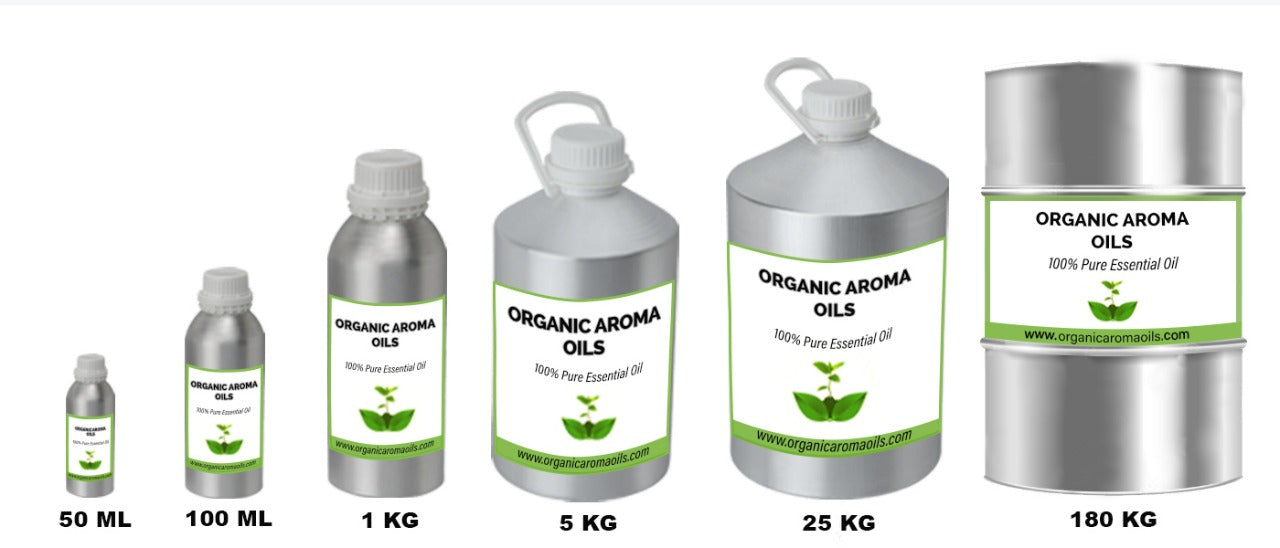
- We offer the highest quality essential oils at the most competitive prices. Everyone is aware that there are four to five different qualities of each essential oil, which may not be the best for our new visitors. It would be best if you send an email to confirm which essential oils you truly require for which applications. Additionally, you can contact us via phone, by WhatsApp, or through the live chat feature built into this website.
- Any reputable buyer can see the shipping price before placing the real order and get an idea of the cost because we have built a new custom shipping module. We don't base our quotes on import duty including pricing. The CIF value is always increased on import duty. The same is valid up to 50 kg; for quantities beyond 50 kg, kindly request the spot price.
- Please call or talk with us to confirm the precise type you require if you are unfamiliar with our product in order to rule out any potential problems. Please describe the intended usage and operational parameters for the items as they are designed to reach the widest possible audience.
- The info in the product details is only meant to be used for educational reasons and shouldn't take the place of medical treatment provided by a licensed professional.
- This information is not thought to be complete, and its accuracy in all applications cannot be ensured.